
Running and trail smartwatches
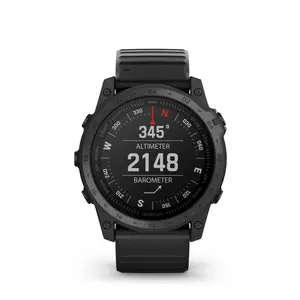
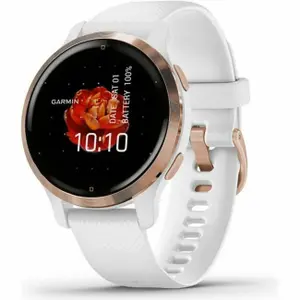
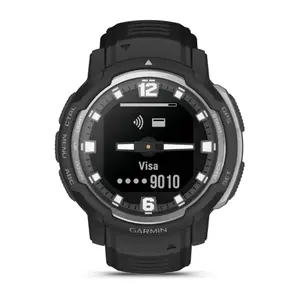


A smartwatch gives you your pace, distance, and heart rate in real-time, so you can run at the right intensity.
Compare the models here based on GPS battery life, heart rate tracking, and screen size. Also, check the screen visibility in bright sunlight.
What a running watch should be able to do
It should record the route via GPS, measure heart rate at the wrist, and display pace continuously. To improve, tracking sessions over several weeks helps to adjust your workload.
Battery life depending on your use
A one-hour jog hardly uses the battery. For a trail lasting several hours, check the battery life in GPS mode. The brighter the screen, the quicker the battery drains.
Watch brands
The page features Garmin, Polar, and Suunto, three well-known names among runners. The Brand filter also shows Samsung. Open them one by one to compare.
To complement with your watch
Change the look or material with a watch strap. For more precise measurements, a chest heart rate monitor is useful. If you're looking for a simpler device, check out the pedometers and trackers.
Good watch deals
The special offers, clearance, and Black Friday equipment are the best places to find a watch at a reduced price.
Screen, buttons, or touchscreen
A touchscreen is nice for daily use, but buttons are more reliable when you're wearing gloves or have wet hands. Many trail runners prefer buttons for this reason. Also, check readability in bright sunlight.
Useful functions for improvement
Besides GPS, some watches offer training plans, recovery estimation, or sleep tracking. These functions help to manage workload but are not essential to get started. Choose what you'll actually use.
Running, trail, or multisport
A running watch tracks pace and cadence. A trail watch adds altitude and navigation. A multisport watch can also handle swimming and cycling. Specify your use before comparing, as battery life varies accordingly.
Accuracy of GPS and heart rate sensor
The GPS records your route in both urban and forest areas, with sometimes a slight delay under trees or between buildings. The wrist sensor tracks the heart reliably at steady pace but less so during intervals. For more accurate measurement, pair the watch with a heart rate belt.
Synchronization and apps
The watch sends your sessions to an app that displays your routes, average pace, and progress. Check compatibility with your phone before buying, and see if the data can be exported to the tool you already use.
Frequently asked questions
What watch should I choose to start running?
A model with GPS and heart rate sensor is enough to get started.
Where can I find a cheap GPS watch?
Compare the clearance equipment, then filter by brand.
Does a connected watch replace a heart rate belt?
For most outings, yes, but the belt is more precise during intervals.
Do I need a smartphone to use it?
It helps with setup and syncing sessions.
Can I change the strap?
Yes, the straps page offers several widths.





