
Men's Running and Athletics Shoes


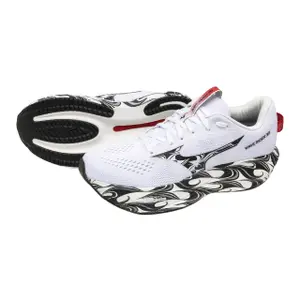


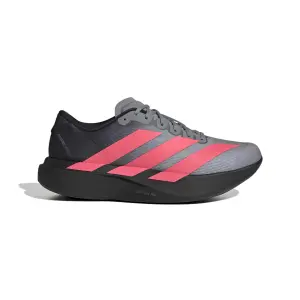


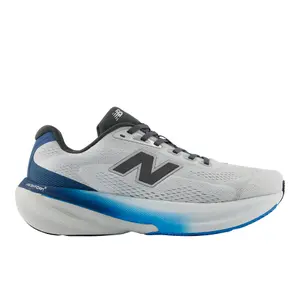
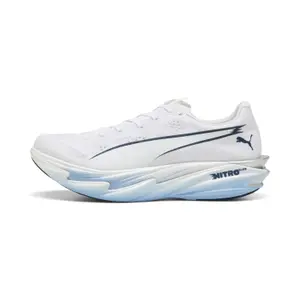
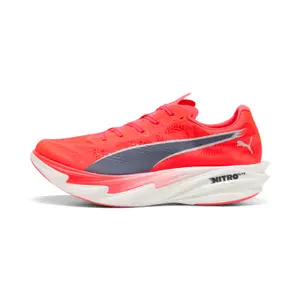
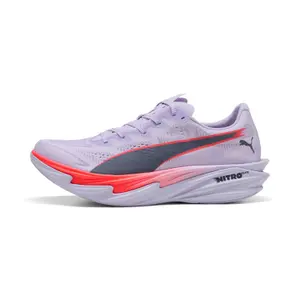
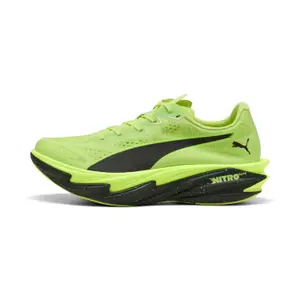

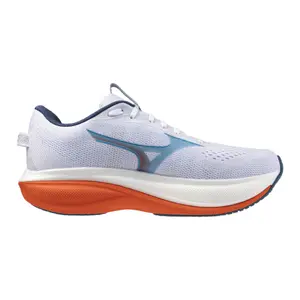
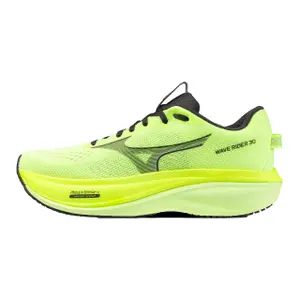
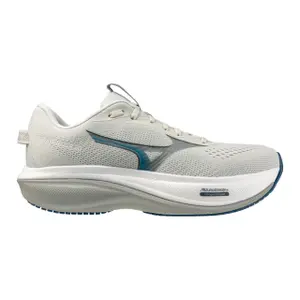
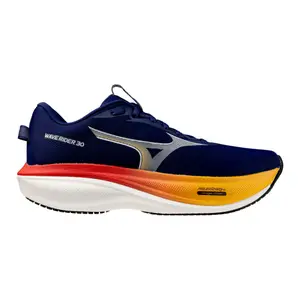


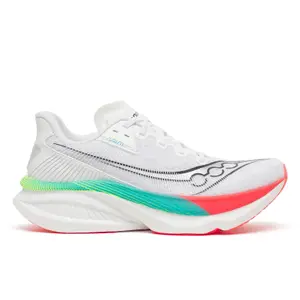

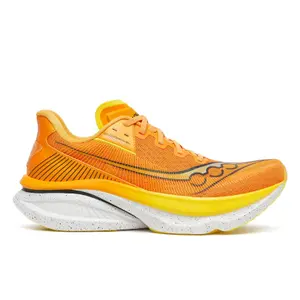
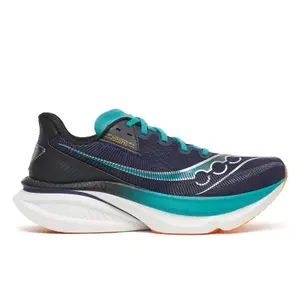

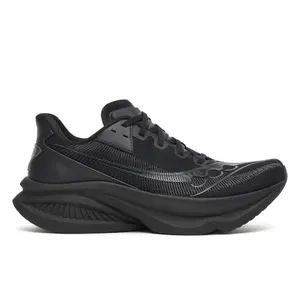
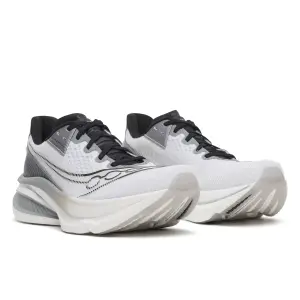
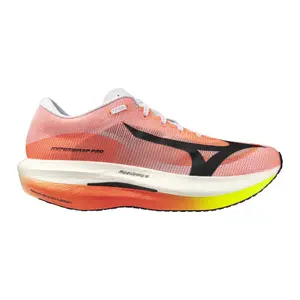

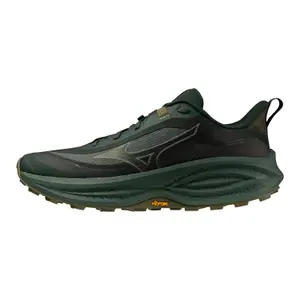
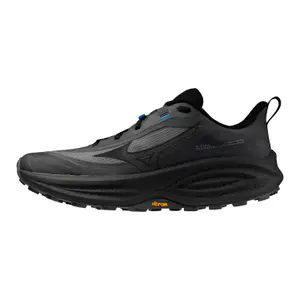


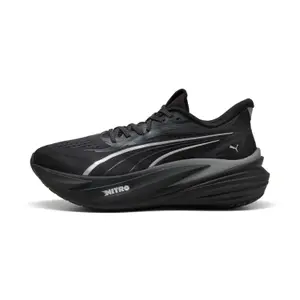
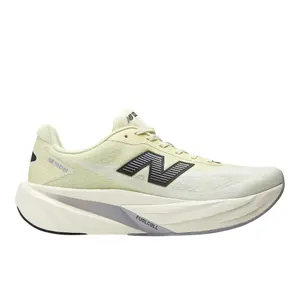


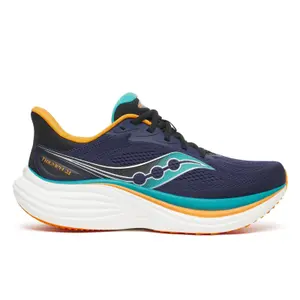


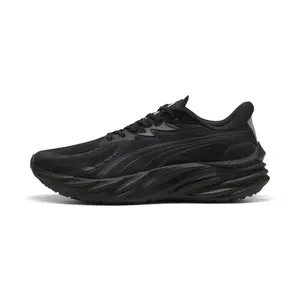
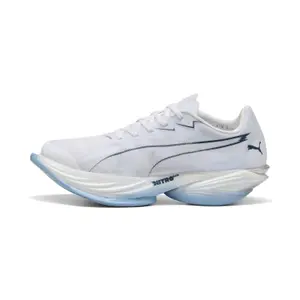
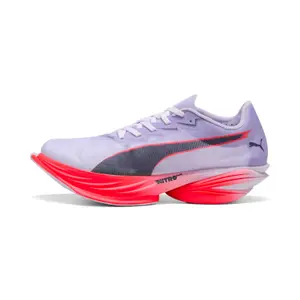
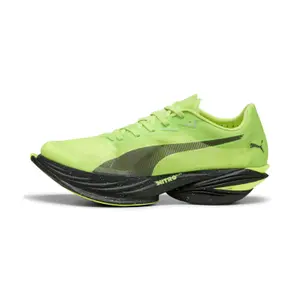
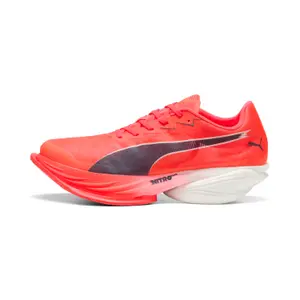


Easy jogging, interval training, long runs or race day: each session has its pair, and these men's shoes cover all paces, from road to track.
Start with your usage, daily training, speed or athletics, then refine with the drop, stride type and your shoe size.
Which men's shoe for which session?
The right pair mainly depends on what you do throughout your week. For jogging and long runs, a well-cushioned training shoe absorbs the miles without tiring your legs. For threshold sessions or intervals, a lighter and more responsive model helps you maintain your pace. On race day, a competition shoe, often featuring a plate, takes over.
Many runners end up alternating between two pairs: one for volume and one for speed. Both wear down more slowly, and your feet vary their supports.
Drop, cushioning, stride: three settings to know
Drop is the height difference between the heel and the front of the foot. A high drop relieves the Achilles tendon and is suitable for heel strikers; a low drop promotes a more mid-foot strike. Change your drop gradually, never all at once.
Cushioning is chosen based on your build and distances: the longer you run or the heavier you are, the more sense thick foam makes. Finally, a neutral shoe follows your foot as it is, while a stable shoe limits arch collapse. The stride filter on the page separates the two.
Pages to find things faster
The men's running shoes page focuses on models for road and treadmill. On the track, spikes and competition shoes can be found on men's athletics. If you already know which brand you want, the brands page lists them one by one.
Direct access by brand: adidas for its widest range, Puma and its Nitro foams, Mizuno and its Wave plate, Saucony for the Endorphin family, but also Under Armour, Reebok, Craft, Altra and Joma.
Brands that runners demand
adidas caters to all profiles: the Supernova for daily training, the Ultraboost and its Boost foam for comfort, the Adizero family for speed and competition.
Puma has built its running range around Nitro foam. The Deviate Nitro, with its carbon composite plate, is suitable for both fast sessions and long runs.
Mizuno is recognized by its Wave plate embedded in the sole. The Wave Rider is its neutral training model, the Wave Inspire its stable version.
Saucony has made a name for itself with the Endorphin, including the Endorphin Speed with a nylon plate, and the Triumph for runners wanting ample cushioning.
Find your size at the first attempt
Measure your foot at the end of the day, when it has swollen a bit, and keep about an inch between your big toe and the end of the shoe. Brands do not all size the same: adidas offers third sizes, Mizuno and Saucony offer half sizes. If in doubt between two sizes, the bigger one is often the right choice for running, as the foot expands under effort.
Run better without paying full price
Discounted models are gathered on special offers and on men's shoe good deals. End-of-line products can be found in the men's clearance. Throughout the year, Black Friday and then the sales widen the selection. For a pair to receive quickly, check the models shipped within 24 hours, and for the latest releases, the men's new arrivals.
Frequently asked questions
How many pairs of running shoes should one have?
One pair is enough to get started. Once you reach three runs a week, a second pair helps: you alternate, the foam recovers between runs, and you can dedicate a lighter model for fast sessions.
Is a men's running shoe different from a women's model?
Yes, in shape: the men's version is generally wider and cut in larger sizes. The technologies remain the same. Some models are unisex, indicated as such on the product sheet.
Can you run on a treadmill with road shoes?
Yes, a road shoe is perfectly fine for the treadmill. Just avoid trail models with large lugs, which grip the mat and offer nothing on a smooth surface.
When should you change your running shoes?
The common guideline is between six hundred and a thousand kilometres, depending on your weight and the model. Pay attention to the signs: worn-out sole, compressed foam that no longer rebounds, new pain in your knees or calves.
How can I tell if I need a stable shoe?
Look at the wear on your old soles: significant wear on the inside edge often indicates pronation. A stride analysis in-store or with a podiatrist remains the most reliable way to decide.





