Hiking: clothes, shoes, equipment
Mid-top shoes, waterproof jacket, backpack, poles, snowshoes: everything you need for hiking can be found here, from the marked trails near you to the multi-day trek.
Choose your entry by audience, by type of equipment, or by terrain, then refine with the filters on each page.
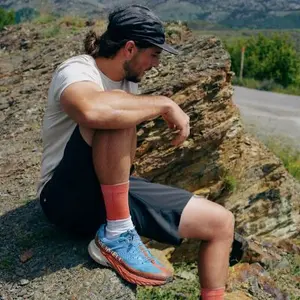
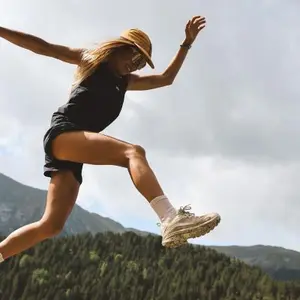
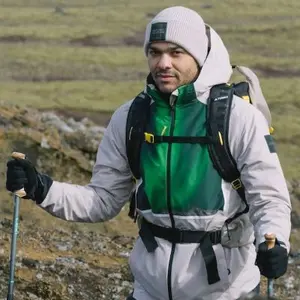
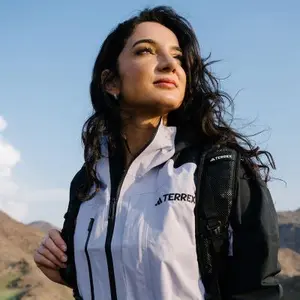
Where to start with your hiking gear?
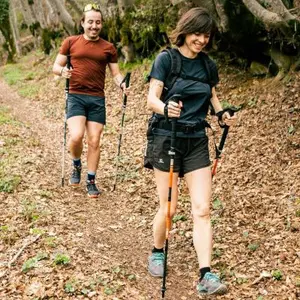
Start with your feet. On a trail, a good pair of shoes matters more than anything else: it's them that take on the stones, roots, and descents. Next is a jacket to protect against rain and wind, followed by a backpack suited to the length of your outings. Hiking poles, technical socks, and warm layers complement your gear as you cover the miles, when you start to notice what's missing.
Shoes, clothing, gear: the pages of hiking
Each page groups together a type of gear, with its own filters.
- Women's shoes: low tops for smooth paths, mid and high tops for rugged terrains.
- Men's shoes: from fast walking to trekking with a loaded pack.
- Women's clothing: jackets, fleeces, trousers, technical t-shirts, and accessories.
- Men's clothing: the same layering system, in men's cuts.
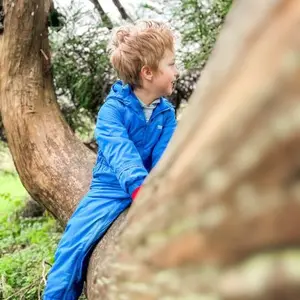
- Kids: shoes and clothing for juniors and little ones hiking with the family.
- Equipment: backpacks, poles, tents, sleeping gear, cooking, and lighting for bivouacking.
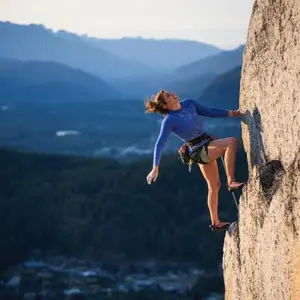
- Mountain: snowshoes, gloves, shoes, and climbing gear.
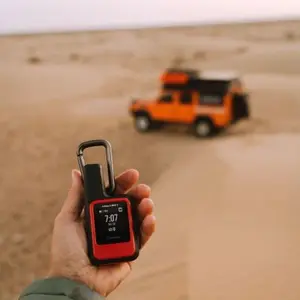
- Electronics and accessories: useful devices and small accessories for outings.
From jogging to hiking: the hiker's perspective
Hiking extends running more than it replaces it. The elevation engages the same muscles as hill sessions, without the repeated impacts of running. Many trail runners use it as an active recovery outing or to scout a route before a race. The main difference lies in the gear: a walking shoe protects the foot more, and a hiking pack carries more than a hydration vest.
Six brands for long walks
adidas has consolidated its outdoor products under the name Terrex: hiking shoes with Continental soles, technical jackets, and fleeces. Patagonia, a Californian brand known for its environmental commitments, offers waterproof jackets and durable warm layers. Regatta, a British brand, outfits the whole family with its Isotex waterproof jackets and fleeces. CMP, an Italian brand from the Campagnolo family, covers hiking from head to toe, including shoes. La Sportiva, born in the Dolomites, brings its mountain expertise with models like the Ultra Raptor II. Élémenterre rounds it out with backpacks, poles, tents, and walking clothing.
Getting equipped for the season
In summer, the focus is on lightness and sun protection: breathable t-shirt, cap, sunglasses, and ventilated low shoes. In spring and autumn, the weather changes quickly, and a waterproof jacket in the pack becomes essential. In winter, it’s all about warm layers, waterproof high-top shoes, and, once the snow settles, snowshoes.
Hiking on a budget
Permanent hiking discounts are found on special offers, and end-of-line sales on hiking clearance. For the latest arrivals, check the new arrivals page; if you're in a hurry, look at the 24-hour dispatch selection. Throughout the year, the Black Friday hiking comes before the holidays, followed by hiking sales taking over.
Frequently asked questions
What is the minimum gear for a first hike?
Shoes that fit well and provide grip, a waterproof jacket, water, and a small backpack. For a short outing on an easy path, a pair of training shoes with grippy soles may be enough. Poles and high-top shoes become useful as elevation and duration increase.
What’s the difference between hiking and trekking?
Hiking is generally done in a day, with a light pack. Trekking lasts several days, often independently, with a heavier pack carrying sleeping gear and meals. It requires more supportive shoes and a backpack with a proper carrying belt.
What to pack in your pack for a day hike?
Water, food, a warm layer, a waterproof jacket, a small first aid kit, a headlamp, and a map or GPS track. Add sunscreen and sunglasses in summer, beanie and gloves once you gain altitude. A pack of twenty to thirty litres is enough for all that.
How to prepare your body for hiking if you're already running?
Your cardio is there, but long descents and carrying a pack work your thighs and back differently. Add hill runs at walking pace, some sessions to strengthen your quadriceps and core. Gradually increase your walking duration before aiming for several hours.
How to care for your gear after a wet outing?
Open and empty the pack, remove the insoles from the shoes and let everything air dry, away from a radiator. Brush off mud before it dries on leather or fabric. Wash technical clothing with a suitable detergent, without fabric softener, to preserve breathability.