
Children's hiking shoes
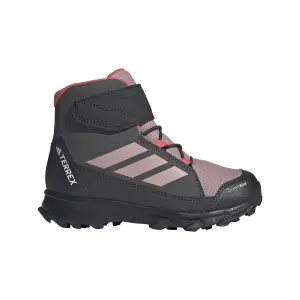
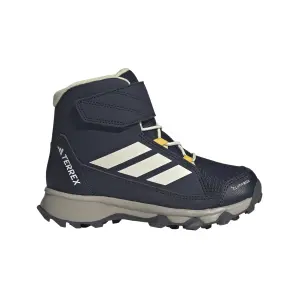
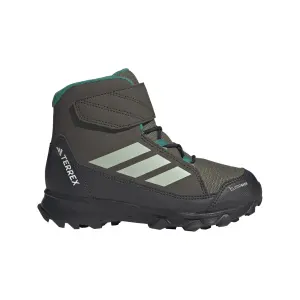


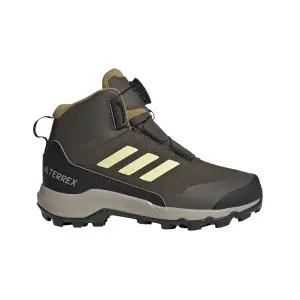


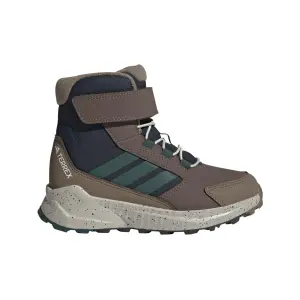
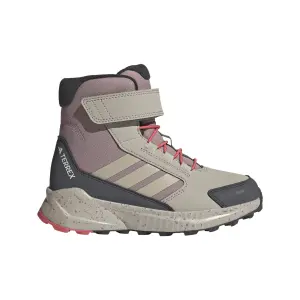

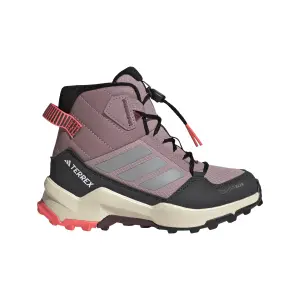
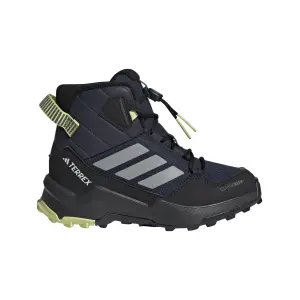


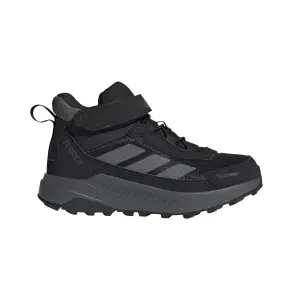


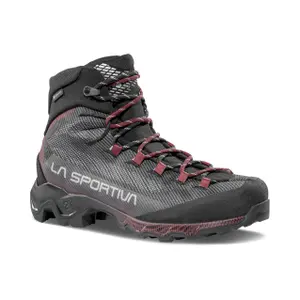


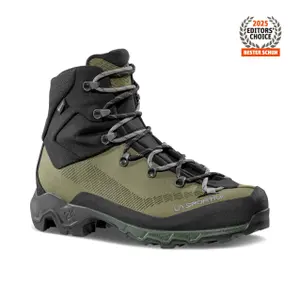


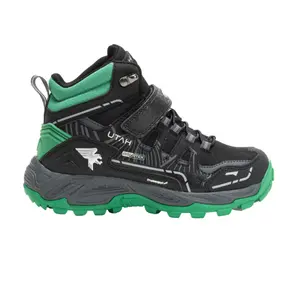


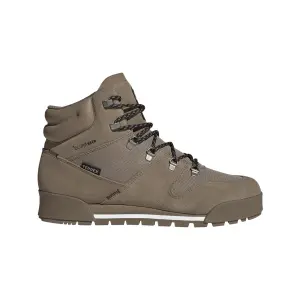
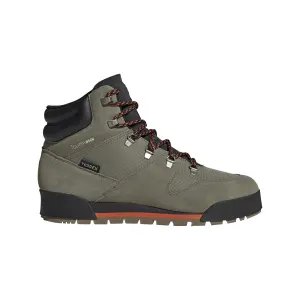
Buying two sizes up for them to last: this is the most common mistake with children's hiking shoes, and the surest way to get blisters. Here, junior and toddler models should be chosen in the right size, with just a finger's width of space at the end of the foot.
Filter by size, by shaft height and by lacing system.
The right margin: a finger's width, no more
The ideal margin matches the width of an adult finger between the heel and the back of the shoe, with the foot pushed forward. Any less, and the toes hit when going downhill. Any more, and the foot slips, rubs, and gets hot. Measure both feet: they don't always have the same length.
Laces, elastic or rotational tightening?
Elastic cord laces tighten in one motion: perfect for little ones who want to put their shoes on by themselves. The BOA rotational tightening, found on certain models, adjusts the tension with a dial. Classic laces remain the most precise for older kids who go on proper hikes.
Mid or low ankle for a child?
For strolls and easy paths, a low ankle allows the child to run and jump freely. In the mountains or on rocky terrain, a mid ankle better protects the ankle from bumps and keeps the stones out. Winter models, lined and waterproof, rise higher for snow.
Junior footwear brands
adidas offers its Terrex in junior and mini versions, featuring the Anylander with elastic laces, the Terrex AX4, and winter models with Climawarm. CMP covers all ages, from walking shoes to snow boots. Élémenterre brings simple models like the Chabunco. La Sportiva adapts its mountain expertise for kids with the Aequilibrium and the Ultra Raptor II. Kimberfeel focuses on children’s feet with lightweight models, and Regatta offers the Vendeavour for family outings.
Complete the outfit for young walkers
Once the feet are well shod, the jacket comes first: windbreakers and children's jackets. For warmth, go for padded jackets and fleeces; for the legs, look at trousers and leggings or shorts. The t-shirts and polos and the accessories complete the gear.
Cheaper children’s shoes
A child often changes shoe size: take advantage of discounts on children's deals and children's special offers. The children's clearance collects the end of lines, and children's sales come after the holidays.
Frequently asked questions
How to measure a child's shoe size at home?
Have them stand up, heel against a wall, on a piece of paper. Mark the end of the longest toe, measure the distance, and add just over a centimetre for margin. Then compare with the size guide on the product page.
Are sneakers enough for a first hike?
For a short walk on dry paths, yes. As soon as the ground becomes rocky, slippery, or wet, hiking shoes grip and protect much better.
Does a child need waterproof shoes?
Kids walk in all puddles: a waterproof membrane keeps their feet dry longer. In full summer on dry ground, a breathable model will be more comfortable.
How long do children's hiking shoes last?
Generally until the foot grows, rarely until they wear out. Check the margin at each season's change, as sizes evolve quickly in younger kids.
What to do if my child has pain in their feet while walking?
Stop, take off the shoe, and look for redness or a developing blister. Protect the area, tighten the lacing so the foot doesn’t slip, and check on the return that the size is still right.





