
Men's shoes: walking and hiking


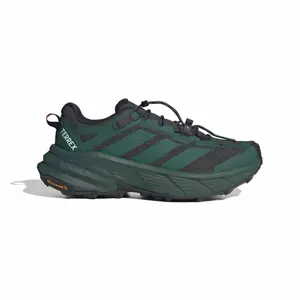


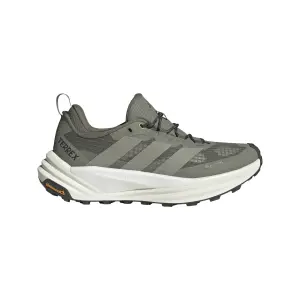
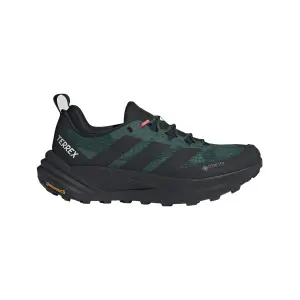
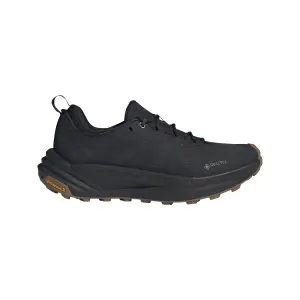
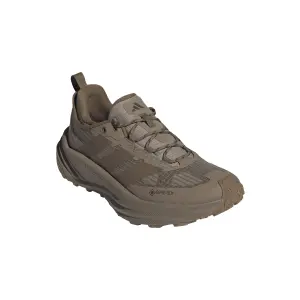

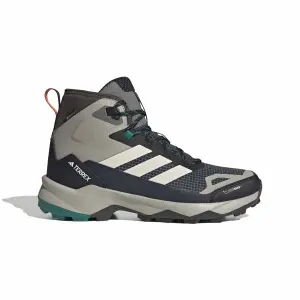


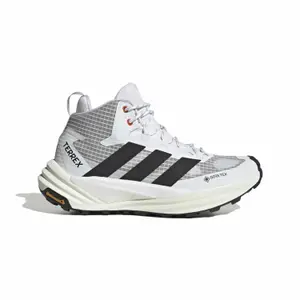
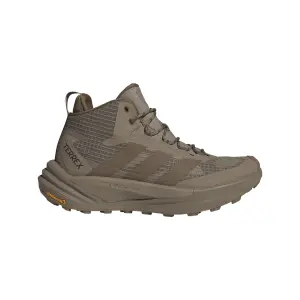
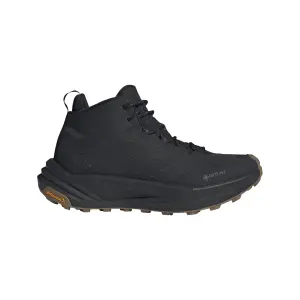
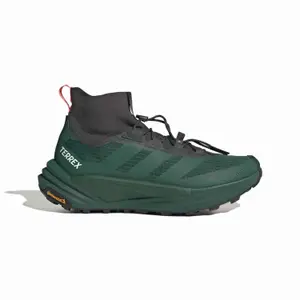
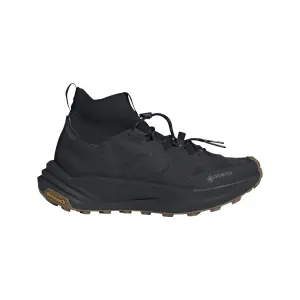
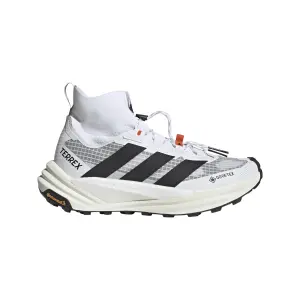
Starting at £183.44
£119.91


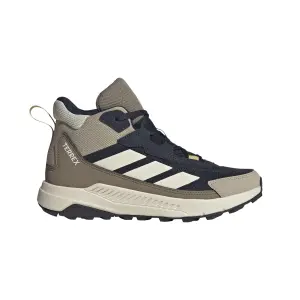
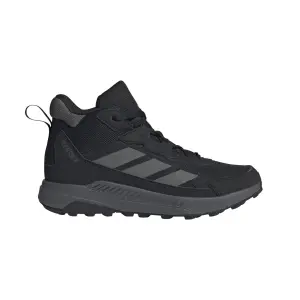

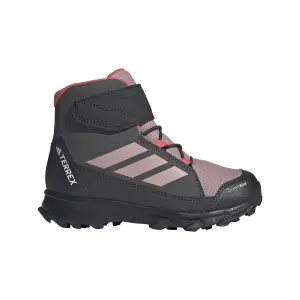
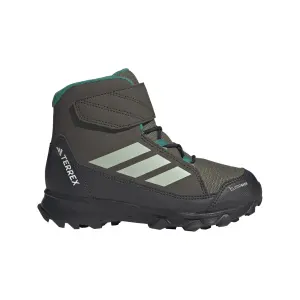
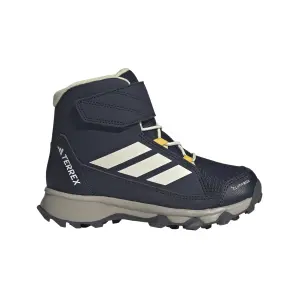


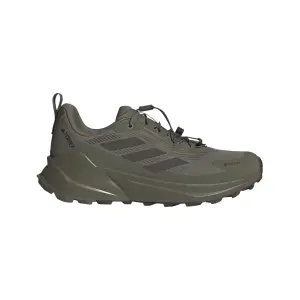


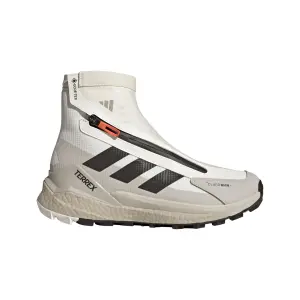


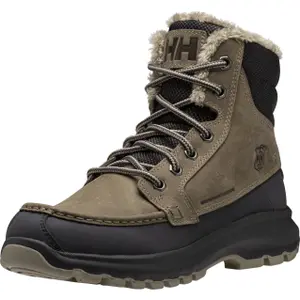
Always try on a walking shoe at the end of the day, with swollen feet, and with the socks you’ll be wearing on the trail. Here, men’s shoes cover all hiking outings: walking fast, a day in the mountains, trekking with a loaded pack.
Start with the terrain you practice on, then filter by shaft height and size.
What terrain, what shoe?
The terrain determines everything else. On dirt paths and rolling trails, a low and flexible shoe puts less strain on the legs. As soon as the ground becomes rocky, a mid-cut upper and a firmer sole protect against twists. In high mountains, on snowfields or scree, you need a high, rigid shoe with deep treads.
The weight of the bag changes everything
The more you carry, the stiffer your shoe needs to be. A lightweight day bag goes well with a low or mid shoe. With a trek bag that includes a tent and sleeping gear, the load compresses the sole and pushes the ankle outward: a high upper and thick sole help prevent foot fatigue after a few days.
Leather, synthetic, membrane: what the materials say
Full-grain leather lasts a long time, shapes to the foot, and withstands rock abrasion, at the cost of being heavier. Synthetic uppers are lighter and dry faster. A waterproof membrane adds protection against water, which is useful all year round in the mountains.
Choosing a particular brand
Every brand has its page, with all its men's models.
- adidas: the Terrex line, cushioned and grippy.
- Meindl: leather shoes built to last.
- Trezeta: Italian hiking and trek style.
- Columbia: comfortable models for the day.
- Merrell: lightweight and versatile, with the Moab Speed.
- Under Armour: a small selection for walking.
- Reebok: a few backup models.
Brands that hikers keep coming back to
adidas brings running technologies to hiking, such as the Boost cushioning of the Free Hiker, and rubber soles from Continental. La Sportiva applies its mountain expertise with the Ultra Raptor II, born from mountain running. CMP covers all profiles, from summer low shoes to winter models. Salewa, a brand from South Tyrol, targets alpine trails. Trezeta creates traditional Italian trek shoes, while Meindl, a Bavarian shoemaker, remains a leather reference.
Cheaper, same trails
For an immediate discount, check out good deals on men's shoes; for end-of-collection sales, visit clearance on men's shoes. The Black Friday men's shoes comes before the holidays, and then the men's shoe sales follow.
Frequently asked questions
Can you do a trek with low shoes?
Yes, if your bag stays light and your ankles are used to it. Many fast walkers start in low-cut shoes for lightness. With a heavy bag or on very rough terrain, a mid or high-cut remains safer.
How do you prevent blisters while hiking?
Wear properly fitting shoes that are broken in before the outing, and use technical socks without cotton. Tighten the lacing over the instep before a descent so that your foot doesn't slide. At the first sign of friction, stop and protect the area with an appropriate bandage.
Does a high cuff protect against sprains?
It limits sudden twists, especially with a loaded bag, but doesn’t completely prevent them. Proprioception and ankle strengthening are just as important as the height of the cuff.
How can you tell if a hiking shoe is too small?
Do the slope test: when going downhill, your toes should never touch the front. If they do, either in the store or at home on an inclined surface, go for half a size or a full size up.
What hiking shoe is best for walking in snow?
A waterproof mid or high cut, possibly insulated for cold. For deep snow, pair it with snowshoes and gaiters.





