
Hiking Jackets and Fleeces


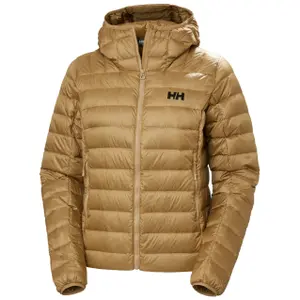


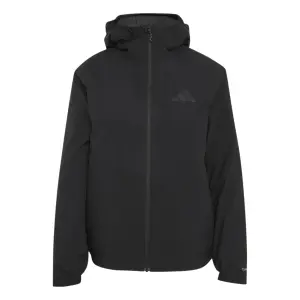
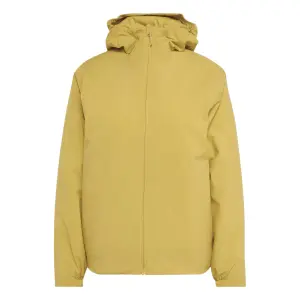


The snack break, the rising wind, the fingers getting cold: that's when you pull out the puffer jacket or the fleece. This page gathers these warm layers for hiking while keeping your warmth.
Choose between lightness and warmth based on your outing.
Why an insulating layer
When the body slows down, it cools down quickly. A warm layer traps the air around you and keeps the heat produced during effort. We always take it with us, even in summer at high altitudes.
Fleece: breathable and robust
The fleece breathes well, dries quickly and withstands friction. It's worn while walking, under a jacket. It is bulkier than a down jacket for the same warmth.
Down jacket: warm and compressible
The down jacket takes up little space in the bag and offers a lot of warmth, but it handles humidity less well and is mostly worn during breaks.
Selected brands
We see Regatta, adidas, Peak Mountain, Helly Hansen and Joma. Check the sheet to see if the model is designed for effort or for breaks.
Combining with the rest
Layer the fleece under a windbreaker, over a t-shirt. The accessories (hat, gloves) and the tights complete the protection against the cold.
Staying warm on a budget
Promotions are available on women's clothing deals, special offers and clearance.
Materials: down, synthetic, fleece
Down insulates a lot for a low weight but fears humidity; synthetic filling retains heat better when wet. Fleece, it, dries quickly and withstands the friction of a back pack well. Choose based on the humidity of your outings: a misty environment favors synthetic, while dry air suits down.
When to put on your warm layer
Put on your down jacket as soon as you stop, before your body cools down. Take it off when you start walking again, to avoid sweating in it. A thin fleece is often kept on during the ascent if the weather is cool, and then stored at the summit in the bag.
Hood, zip, pockets: useful details
A hood adds warmth during stops but can sometimes be a nuisance under the hood of a rain jacket. A high collar and an integral zip allow you to adjust ventilation while walking. The zipped pockets keep your hands warm and hold your phone or keys. An inner pocket is handy for keeping a snack or battery away from the cold. For breaks, a slightly longer cut covers your lower back when sitting on a rock.
Letting the warm layer breathe
A fully closed warm layer during the ascent causes sweating, and the humidity then cools you down. Open the zip as soon as you get warm, close it during breaks. This simple gesture is better than an extra layer, and it keeps your skin dry throughout the day in the mountains.
Frequently asked questions
Down jacket or fleece for hiking?
The fleece during effort, the down jacket for breaks. Many female hikers carry both into the mountains.
How to store a down jacket?
In its compression bag for the trip, but not for weeks: let it inflate flat or hang it up.
Can a fleece be machine washed?
Yes, at low temperature and without fabric softener, which reduces its breathability.
What warmth to choose?
The thicker the layer, the warmer it is, but also the bulkier. Choose based on the season and altitude.
How to layer up to stay warm?
A t-shirt, then a fleece, then a windbreaker: each layer traps air without blocking moisture evaporation.





