
Girls' Running Shoes


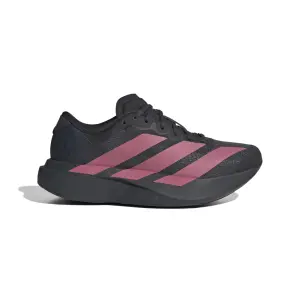
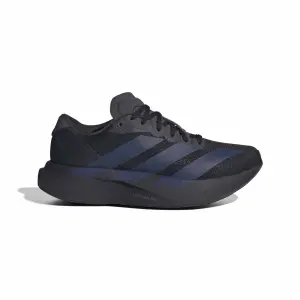
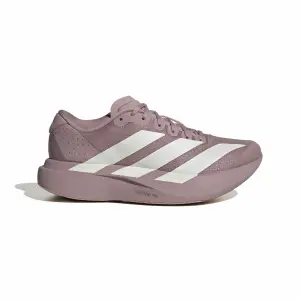
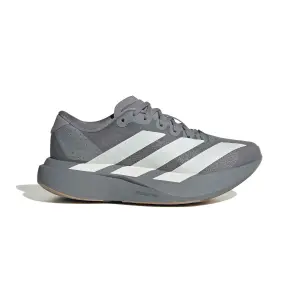
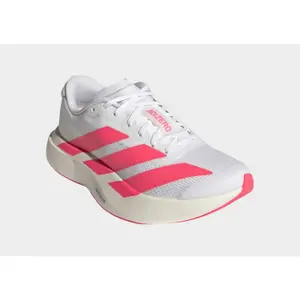
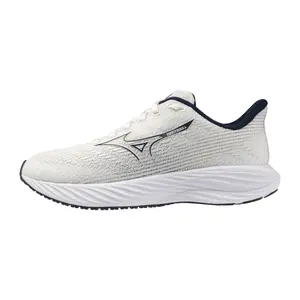
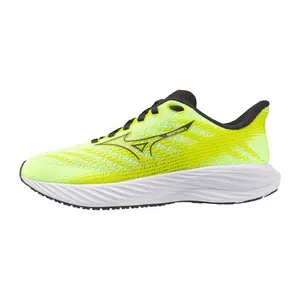
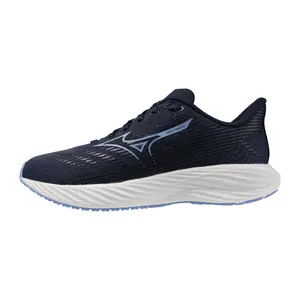


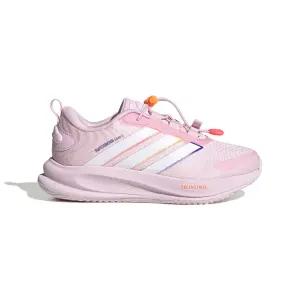
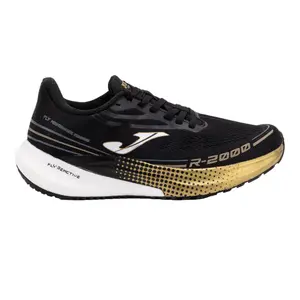
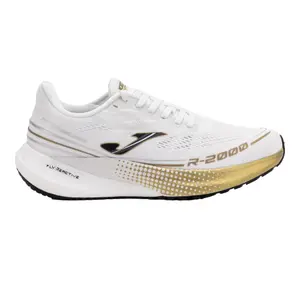

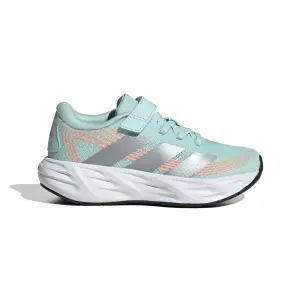
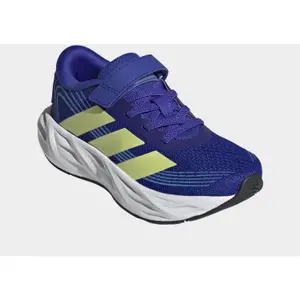
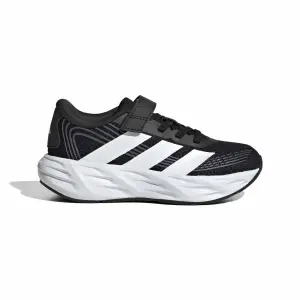
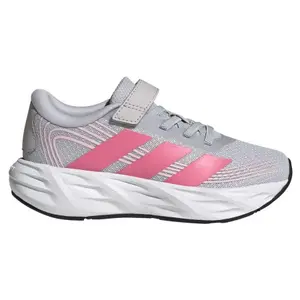
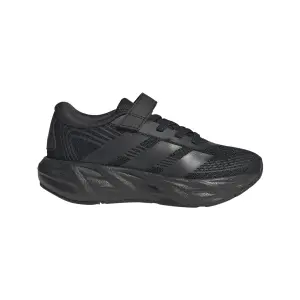
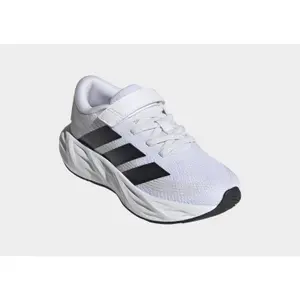
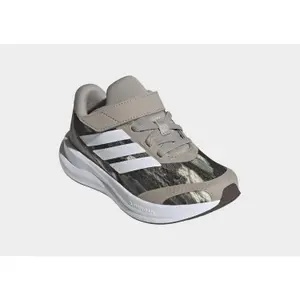
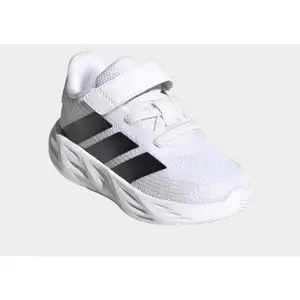
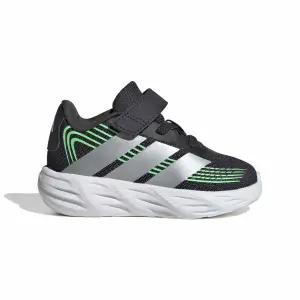
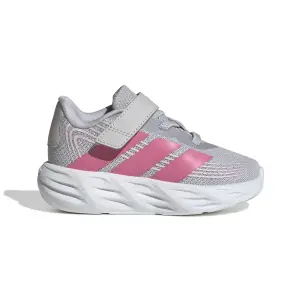
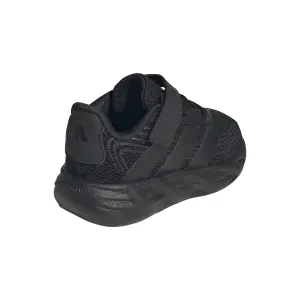
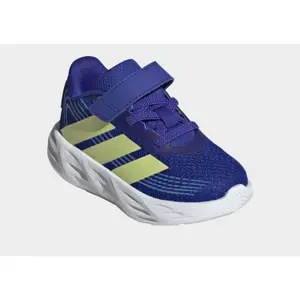
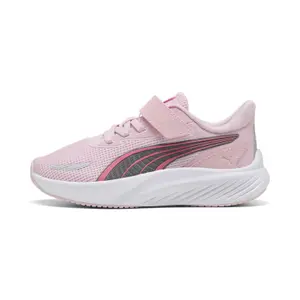
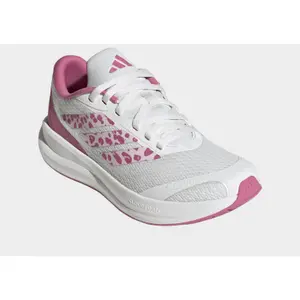
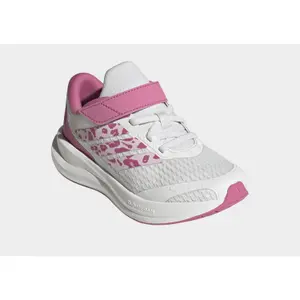
Running with shoes that are too heavy or too stiff takes away the motivation to go back. These running shoes for girls are lightweight, flexible, and easy to slip on, for both sports and busy days.
Compare the colours and fastening systems, then choose the size with a little extra room.
What changes between trainers and proper running shoes
The running sole cushions your footfall and supports your foot's movement. It is lighter and more flexible than a city trainer, making it more comfortable over time. This matters from the first few kilometres.
The other girls' pages to complete
- Trail shoes for paths and muddy routes.
- Tops to match the outfit.
- Bottoms: shorts and leggings.
- Accessories: socks and bags.
The most popular brands
adidas is by far the most represented brand. Puma, Hoka, and Reebok round out the selection with various soles and colours.
Guidelines for a good fit
One thumb's width in front of the big toe, a well-secured heel, and a tongue that doesn’t slip. Try the pair at the end of the day, with your usual sports socks.
Where to find a good deal
The special offers for kids are a good starting point, just like the kids' deals.
Closure systems
Classic laces hold the foot better, but require a bit of independence. Velcro is popular with younger ones, who can adjust them on their own. Some models combine the two for a good compromise between support and speed.
Run for fun rather than pressure
The goal for a young runner is to have fun. A comfortable pair, a varied course, and a few friends to join her are worth more than any time. The shoe follows: it should be forgotten.
Try the pair at home
Before buying, have your daughter take a few steps and do a little sprint in the living room. She should feel the heel snug, the toes free, and no areas that rub. If she pulls on the tongue or complains within the first few minutes, try another model: each brand has its own sizing, and the fit matters more than the colour.
Some tips for longevity
Alternate two pairs during the week if possible: the foam regains its shape and the shoes dry better. After a wet outing, stuff them with newspaper to absorb the water. Avoid the washing machine, which damages adhesives and technical materials, and gently brush the sole to remove small stones.
Frequently asked questions
Which shoe for school and sport at the same time?
A neutral and lightweight running shoe is suitable for both uses, with an easy-to-match colour.
Laces or Velcro?
Velcro helps younger ones be independent, while laces ensure better support for longer runs.
When to move up a size?
When the toes touch the end of the shoe. Remember to check every few weeks.
Do we need a specific shoe for the athletics club?
Ask the coach for advice. For training, a versatile shoe is generally sufficient. Look at trail shoes if the terrain changes.
How to match the outfit?
To match the outfit, check the tops and the bottoms.





