Men's Running Tops
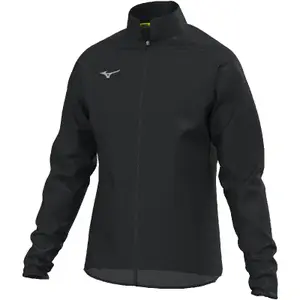
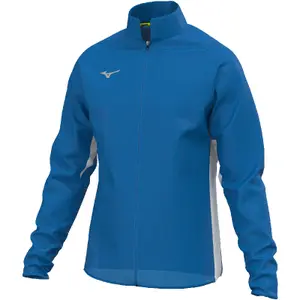
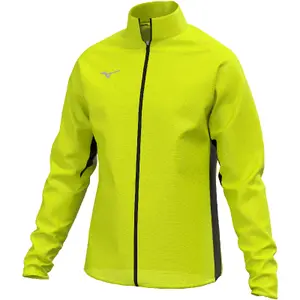
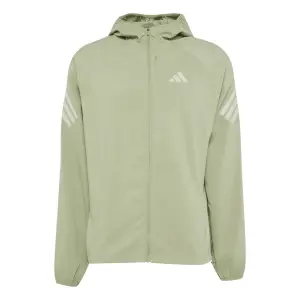
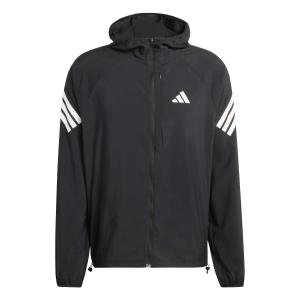
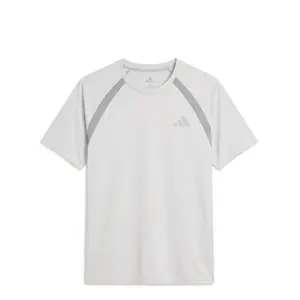
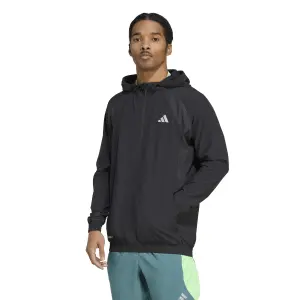

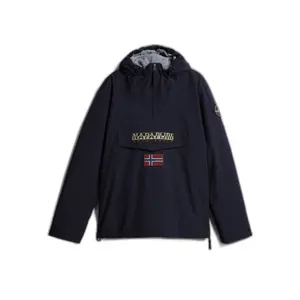
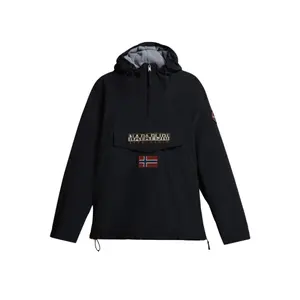
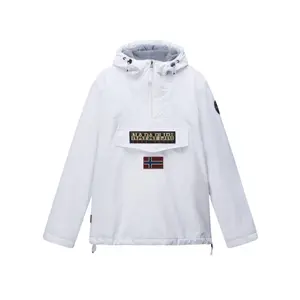
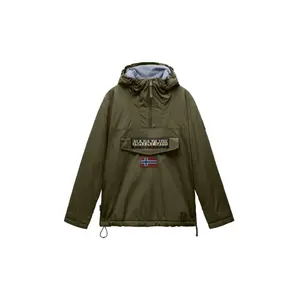
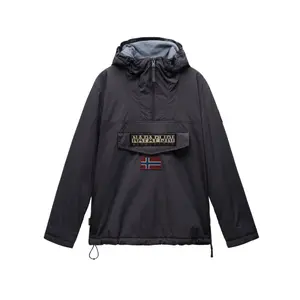
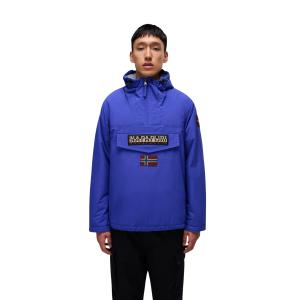


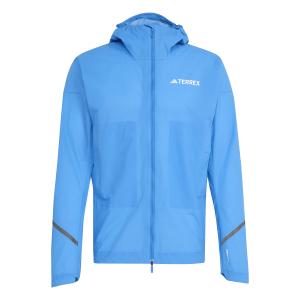
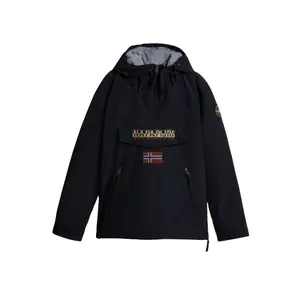
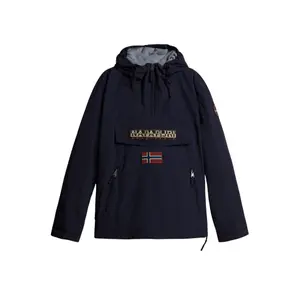
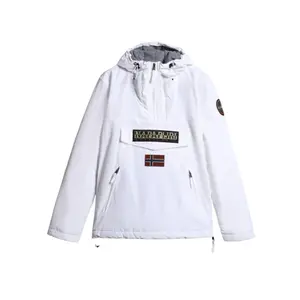
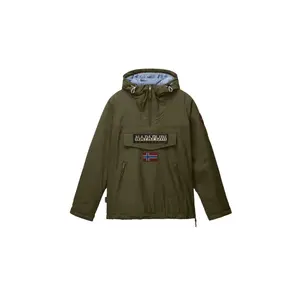
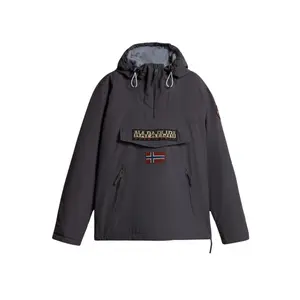
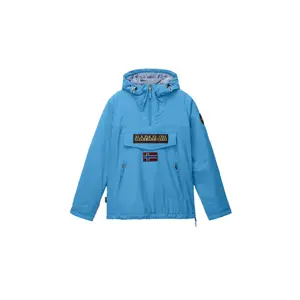
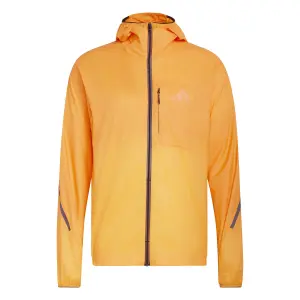
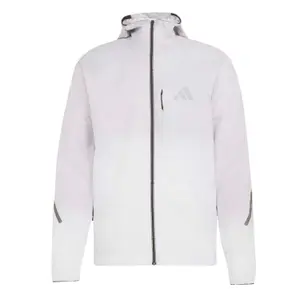
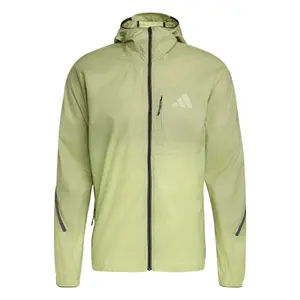
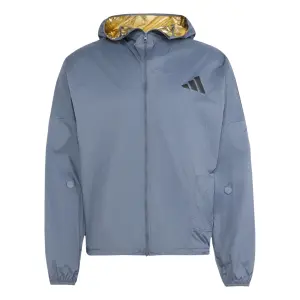
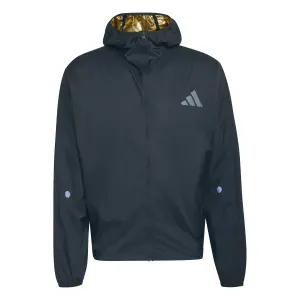
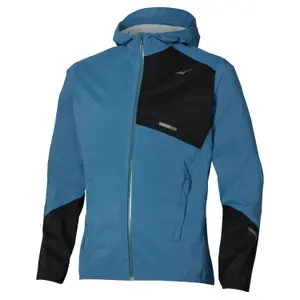


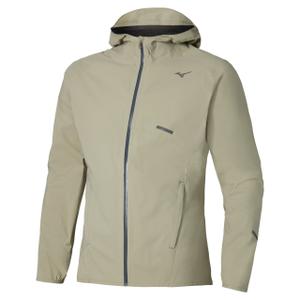
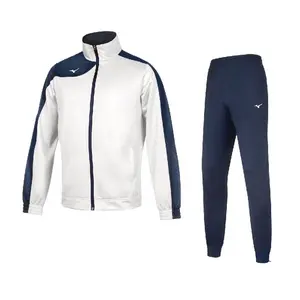
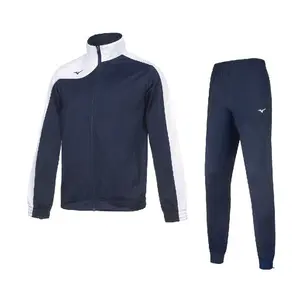
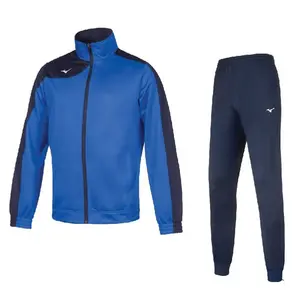
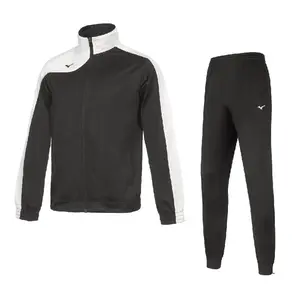
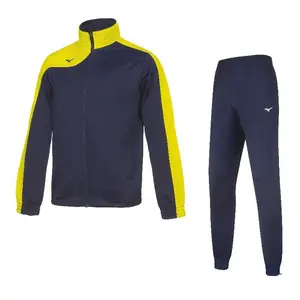
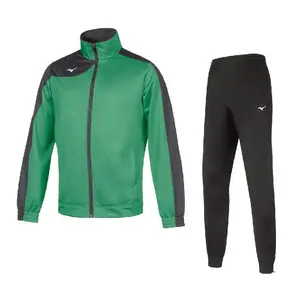
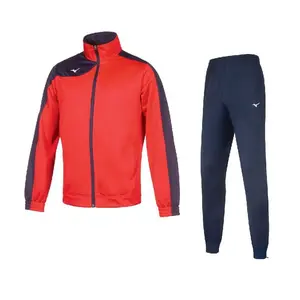
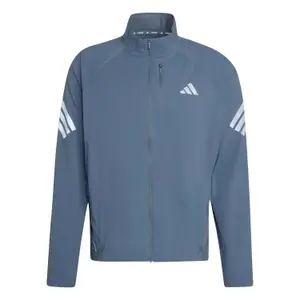
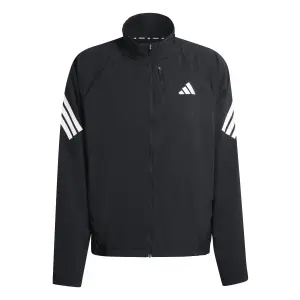
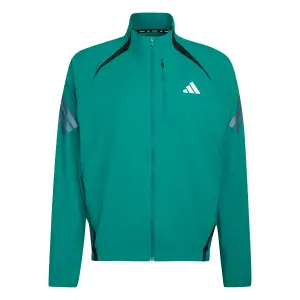
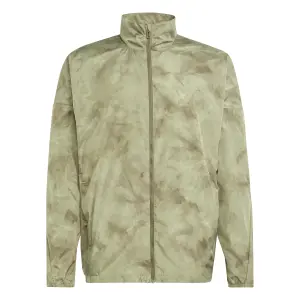
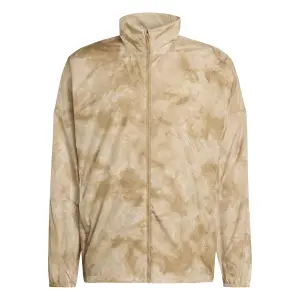
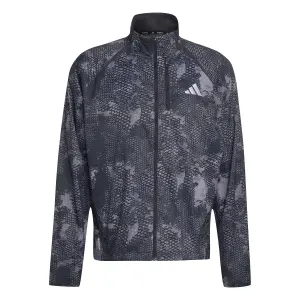
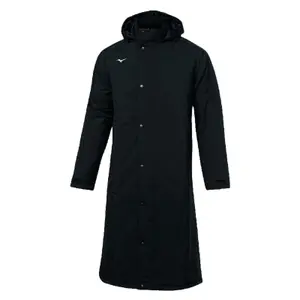
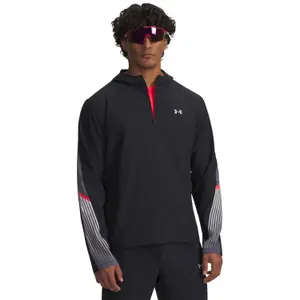
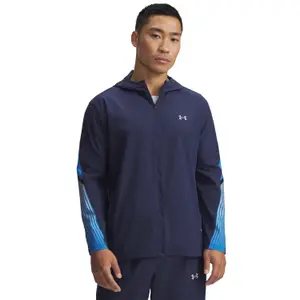
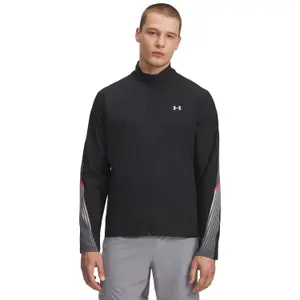
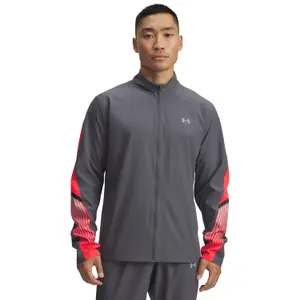
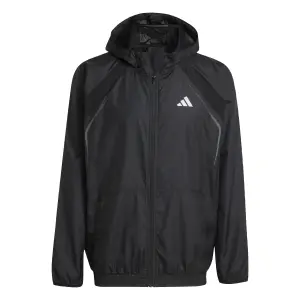
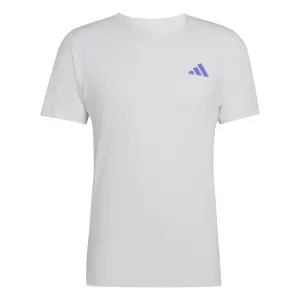
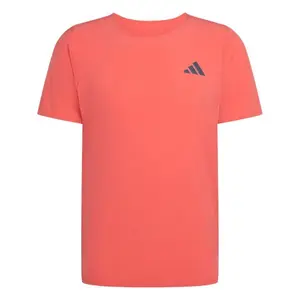
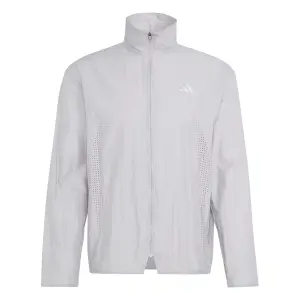
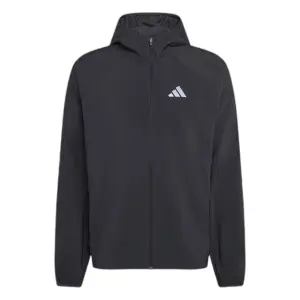
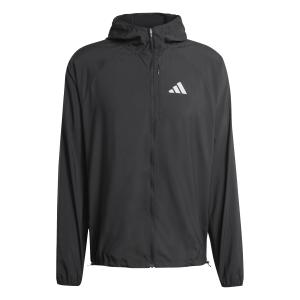
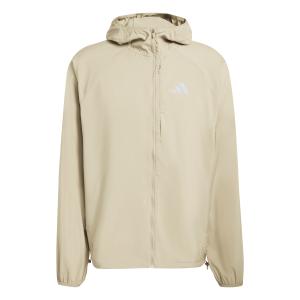
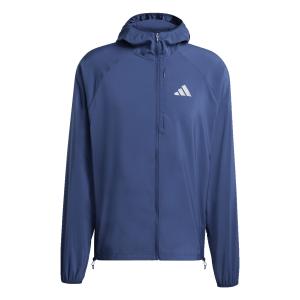
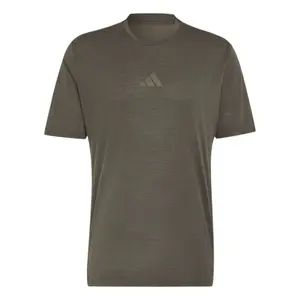
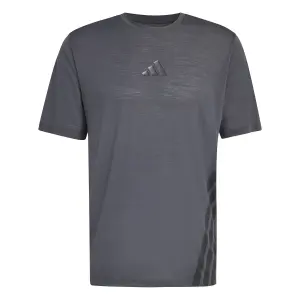
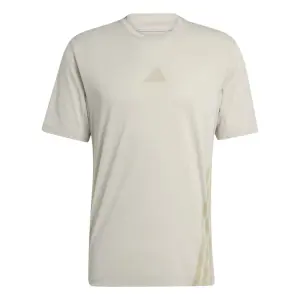
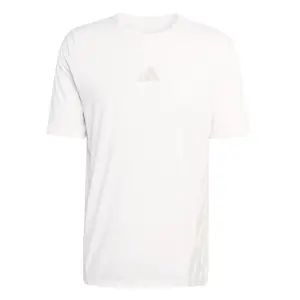
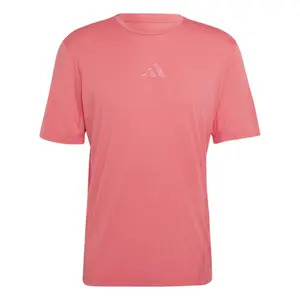
First chilly kilometre, fifth kilometre in a swim: on a run, it's the men's running tops that determine your comfort. T-shirts, vests, sweats, long sleeves and jackets combine depending on the weather and the intensity of the session.
First choose the family that suits your season, then refine by brand, size and fit.
How to choose a men's running top?
Start with the perceived temperature when you set off, then add the warmth your body will produce. There's a simple rule among runners: dress as if it were about ten degrees warmer than what's on the thermometer. A slow jog retains less heat than a speed session, and a long run requires a layer that's easy to remove.
Next comes the material and fit. A technical fabric wicks sweat away from the body and dries quickly; a fitted cut reduces chafing, while a looser fit allows airflow.
The layering principle, from vest to jacket
In cold weather, it's better to layer thin pieces than to put on one thick item. The first layer, next to the skin, moves moisture away. The second layer retains heat. The third layer blocks wind and rain. You adjust as you go: a zip you open, a jacket you tie around your waist.
In summer, the opposite applies: just one light piece, as breathable as possible, and sometimes nothing more than a vest.
Five types of tops, five uses
For rain and wind, men's running jackets and windbreakers range from rollable models to waterproof trail jackets.
For transitional seasons or warming up, men's running sweatshirts provide a warm layer, with hoods, zippers, or round necks.
The basic piece remains the men's short-sleeve running t-shirt, suitable for training and club wear.
When the air turns cooler, the long-sleeve shirt can be worn alone or as a first layer.
On hot days and for fast runs, men's running vests free up the shoulders.
Six brands to know for the upper body
adidas covers the whole spectrum: Adizero for competition, Adi365 for daily running, Terrex for trail and mountain. Mizuno is known for its Breath Thermo fabrics, which absorb moisture and turn it into heat. Joma, a Spanish brand, outfits many clubs with sturdy jerseys and training jackets. Patagonia, a Californian outdoor brand, offers its technical layers for trail and hiking. Regatta, British in origin, is mainly known for its waterproof jackets. Craft, a Swedish brand originating in cross-country skiing, is a reference for base layers.
Running at night: being visible
From autumn to late winter, many runs take place with a headlamp. A brightly colored top is more noticeable at dusk, and reflective details return light from headlights. Check for their presence on the product page, and complement with an armband or a light vest if needed.
Good deals on men's tops
The current discounted prices can be found in the men's clothing good deals, and the end of lines in the men's clearance. During the event, the Black Friday men's clothing takes over, followed by the men's sales after the holidays. For the rest of the outfit, the men's clothing page includes bottoms, compression wear, and accessories.
Frequently asked questions
What size should I take for a running top?
Take your usual size and check the brand's guide on the product page. If you plan to wear the top over another layer, a slightly looser fit will prevent you from feeling restricted. A competition jersey should be chosen close to the body.
Can you run in a cotton t-shirt?
For a short run, yes. Beyond that, cotton retains sweat, gets heavy, and cools down as soon as you slow. A synthetic fabric or merino wool stays drier and rubs less.
How to wash a technical top without damaging it?
Wash it in cold water or at a low temperature, inside out, without fabric softener: fabric softener clogs the fibers and hinders moisture wicking. Let it air dry rather than using a tumble dryer.
Why does my sports t-shirt still smell after washing?
Bacteria cling to synthetic fibers. Don't leave a damp top at the bottom of the bag, rinse it quickly after your session, and occasionally add a bit of white vinegar to the rinse. Merino wool holds less odor.
Is a trail top different from a road top?
Often a bit sturdier against the friction of a bag, sometimes equipped with pockets or sun protection at the collar. For short outings, a road top works very well on trails.