
Men's athletic shoes adidas


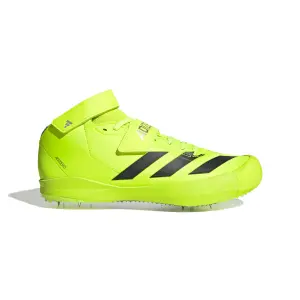


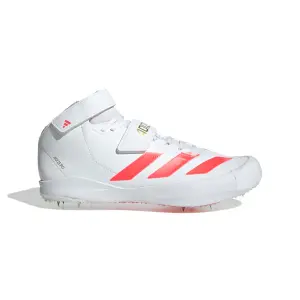
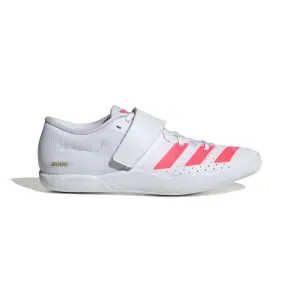
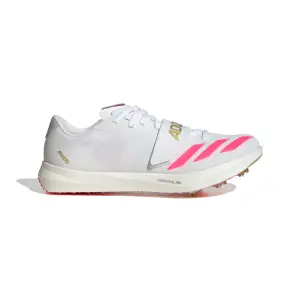
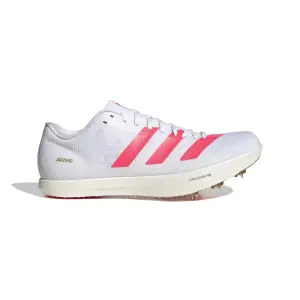


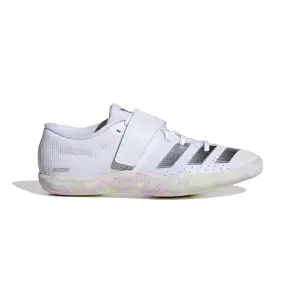


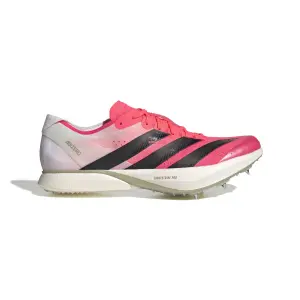
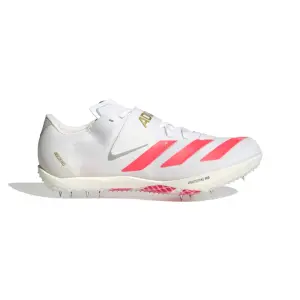
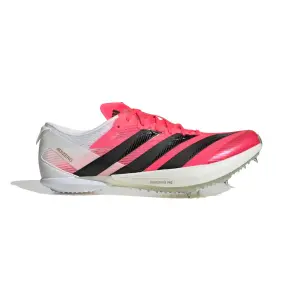


Track, starting blocks or jump lane: men's adidas athletics shoes are chosen primarily based on the event. Sprints, middle distance, throws or jumps have different requirements.
Identify your event, then compare the models and sizes.
Which spikes adidas for which event?
Sprint spikes are stiff, pointed towards the forefoot, with a flat sole and studs for grip. Those for middle-distance and long-distance are softer and a bit more protective. Jumping and throwing shoes, on the other hand, have reinforcements suited for lateral support. Read the description of each item: the targeted event is listed there.
Spikes or track shoes without spikes?
Spikes offer better grip on the synthetic track but require a period of adjustment. For a beginner in a club, a more traditional athletics shoe is more forgiving for warm-ups and technique sessions.
Choosing the right size
Spikes should fit snugly, with the foot slightly tighter than in training shoes. Test the pair with the socks you usually wear in competition and make sure your toes do not touch the front. Also, check the maximum stud length allowed by your track's regulations.
Complement with other pages
To compare with another brand, the athletics Puma page also offers track models. For all brands, return to men's athletics. For road training, you should look towards the running shoes of the brand.
Athletics good deals
Last season's colors can be found in the special offers and the clearance. The good deals on men's shoes include all current promotions.
Preparing for the track season
Before a meeting, spend a few sessions in spikes to allow your foot to adjust to the stiffness of the sole. Start with short accelerations, then gradually increase the repetitions.
Then alternate with your training shoes to limit fatigue on the Achilles tendon and calves.
Maintaining your spikes
After each session, remove the dirt and small stones lodged between the studs with a soft brush. Store them in an open bag, never wet. Regularly check the condition of the studs: a worn or loose stud alters grip.
For hill sessions or running on grass, use more robust shoes and save your spikes for the track.
Frequently asked questions
Which adidas athletics shoe for an 800 meters?
Choose a middle-distance spike, which is more flexible than a sprint spike. The item descriptions indicate the targeted event for each model.
Can spikes be used for running on the road?
No, they are designed for the track. For road running, choose an appropriate running shoe.
Do the studs need to be of a specific length?
Yes, it depends on the track and stadium regulations. Check with your club before purchasing.
How to adjust the size of a spike?
It should fit fairly close to the foot. Stick to your usual racing size and check comfort with your competition socks.
How long do spikes last?
As long as the studs and sole remain in good condition. Rinse them with clear water after use and let them air dry.





