
Men's Hiking Socks and Ankle Socks


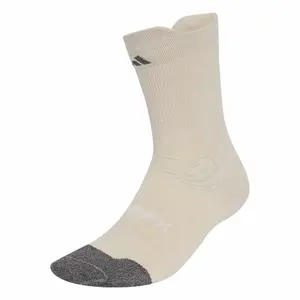
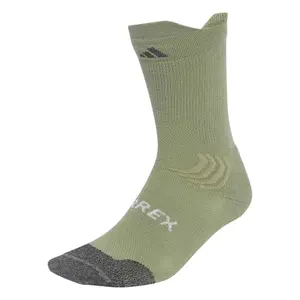


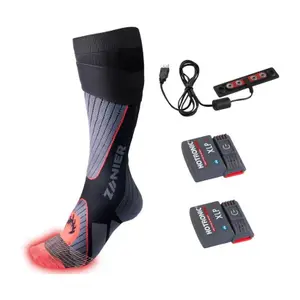


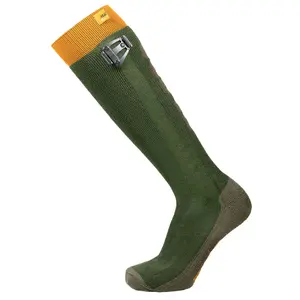


Why do so many blisters develop from a fold in the fabric or a poorly placed seam? Because men's hiking socks are just as important as the shoes: they cushion, manage moisture and reduce friction, mile after mile.
First, choose the height that suits your boot, then the material according to the season.
Why socks matter as much as shoes
The sock is the only textile that works under your weight throughout your outing. A good pair holds the foot without slipping, wicks away sweat, and protects areas that rub: heel, toes, ankles.
Hiking models are designed for this: seamless or flat-stitched toes, pre-shaped heels, thicker areas where the foot makes contact, and breathable mesh on top. A cotton city sock doesn’t have any of these advantages, and it’s often that which spoils a day of walking.
Merino or synthetic: which fibre against the foot
Merino wool regulates temperature well and limits odours, making it a good choice for multi-day treks. It does, however, dry less quickly than a synthetic fibre.
Synthetic fibres, like polyamide or technical polyester, dry quickly and are more resistant to wear. Many models blend the two to combine comfort and durability. In winter, denser socks or thermal models keep your toes warm during breaks.
Low-cut, mid-height, or high: the height according to the shaft
The sock must always extend above the shoe to prevent the collar from rubbing the skin. The low-cut sock goes well with low shoes and summer outings, the mid-height is suitable for lightweight hiking boots, and the high sock protects the lower leg in a high-ankled trek shoe.
Packs of multiple pairs are handy for training and regular outings; keep your technical pairs for long days.
Monnet, Lorpen, Rywan and other foot specialists
Monnet makes its socks in France, in its workshop in Montceau-les-Mines, Burgundy; its Mid Perf and Mid Expert models are classics for hiking. Rywan, a French brand specializing in technical socks, covers both walking and trail. Élémenterre, a hiking specialist, offers simple models for day trips.
LCF Outdoor is the outdoor line of La Chaussette de France, knitted in its factory in Troyes. Lorpen, a manufacturer based in Navarre at the foot of the Spanish Pyrenees, layers several different threads in one sock to keep moisture away from the skin. Smartwool, an American brand, has built its reputation on merino wool.
What to match them with
The height of your sock also depends on what you're wearing above. With a hiking short, a low-cut or mid-height sock is sufficient; with a walking trouser, a higher sock prevents the bottom of the trousers from rubbing. The rest of the men's outfit is on the men's hiking clothing page.
Well equipped for less
Technical socks wear out: it's best to replace them when prices drop. Check out the good deals on men's clothing and the hiking clearance for end-of-line items. After the holidays, the men's clothing sales are a great opportunity to stock up on pairs.
Frequently asked questions
Should you wear two pairs of socks while hiking?
Some hikers wear a thin sock, known as a liner, under a thicker pair: friction occurs between the two fabrics rather than on the skin. This can be helpful on long hikes or with feet prone to blisters, provided the shoe doesn’t become too tight.
What sock size to choose between two sizes?
A sock that’s too big will bunch up, and a bunch can lead to blisters. If your size falls between two sizes, take the smaller one if the sock is stretchy, the larger one if it is thick and less elastic.
How to wash merino socks?
Inside out, machine wash on a wool or delicate cycle at a low temperature, without fabric softener. Avoid tumble dryers and radiators, which felt the wool: air-drying flat is sufficient.
Trail socks or hiking socks: what’s the difference?
Trail socks are thinner, closer to the foot and often low cut, to maintain good sensations while running. Hiking socks are more padded underfoot and often taller, to cushion long hours of walking with a stiffer shoe.
When to replace hiking socks?
As soon as the fabric thins at the heel or under the forefoot, or when the sock no longer returns to shape after washing. A worn area no longer provides protection and becomes a point of friction.





