
Men's hiking clothing


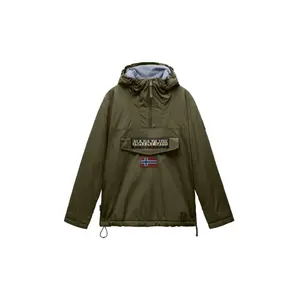

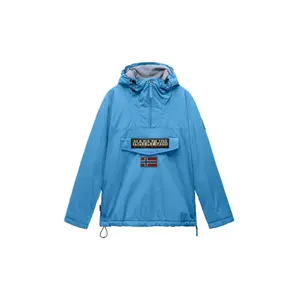


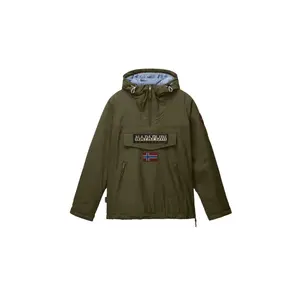
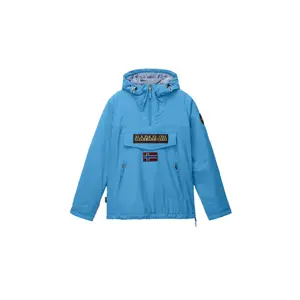
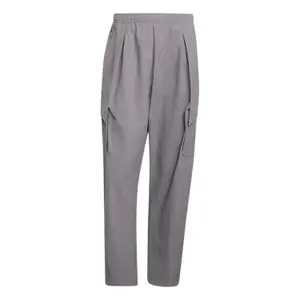
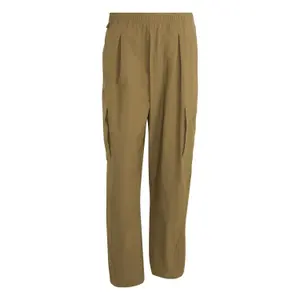


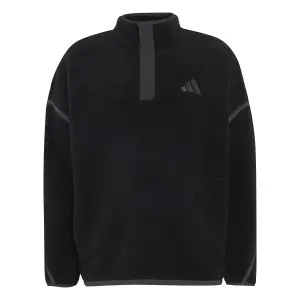


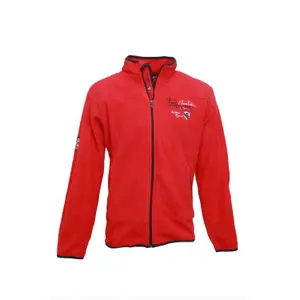


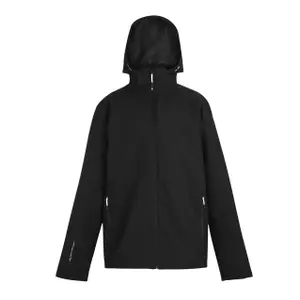


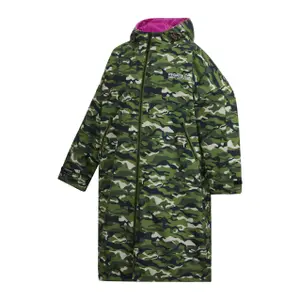


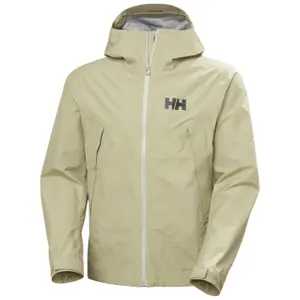
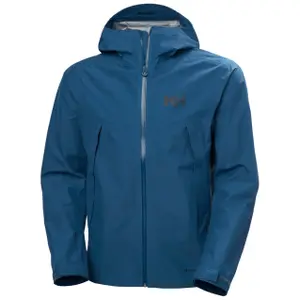


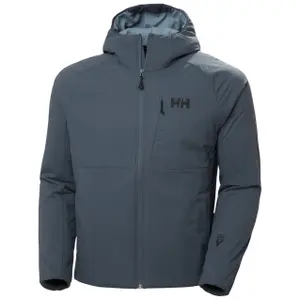


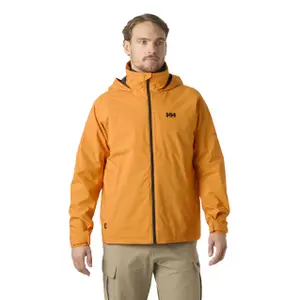
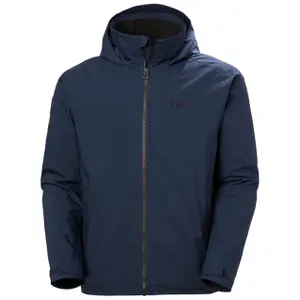
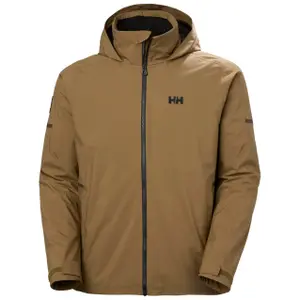

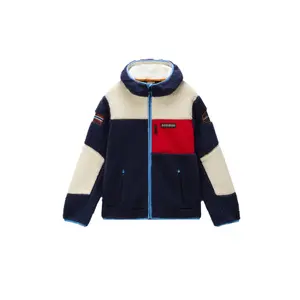
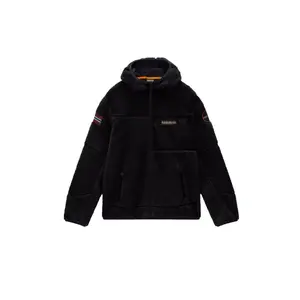
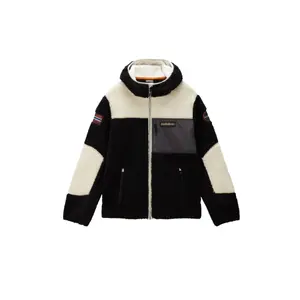
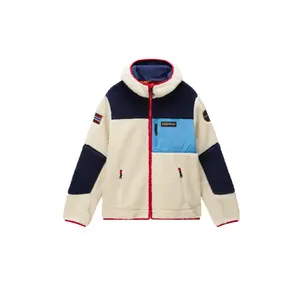


Three layers that you can take off and put back on throughout the day are better than one big coat: this is the logic behind this selection of hiking clothes for men. From breathable t-shirts to rain jackets, including fleeces, trousers and socks, each piece has a specific role on the trail.
Start with the missing items in your outfit, then refine by size, brand and colour.
Dressing for hiking: the three-layer rule
An effective hiking outfit consists of three layers, each with its own role. Against the skin, a technical t-shirt wicks away sweat. In the middle, a fleece or down jacket keeps the warmth in. Outside, a jacket blocks the wind and stops the rain.
The benefit is flexibility. On the way up, you take off the middle layer before your t-shirt gets soaked; at rest or on top, you put it back on before you get cold. The same principle applies to the lower body: thermal leggings in cold weather, hiking trousers, and overtrousers when the rain sets in.
Eight categories to put together your outfit
Each sub-page groups a type of clothing, with its own cut and material filters.
- T-Shirts: the first layer, in short or long sleeves, to stay dry while moving.
- Sweatshirts: a casual layer for the hut, camping, or the journey back.
- Down jackets and fleeces: insulation, from breathable fleece to compressible down jackets.
- Windbreakers and jackets: protection against wind and rain, from lightweight windbreakers to waterproof jackets.
- Trousers and leggings: hiking trousers, adaptable models, overtrousers, and leggings.
- Shorts and leggings: for hot days and walkers who warm up quickly.
- Socks and ankle socks: foot comfort, from summer ankle socks to trekking socks.
- Accessories: sunglasses, hats, neck gaiters, gloves, and caps.
Adapting your outfit to the season and altitude
In summer, the priority is quick drying and sun protection: technical t-shirt, shorts or lightweight trousers, cap and sunglasses. Still keep a windbreaker in your bag, as the wind can chill quickly on a ridge.
In mid-season, the fleece becomes the key piece and the waterproof jacket doesn’t leave your bag. In winter, add a down jacket for stops, a hat, gloves, and thicker socks. The higher you go, the greater the gap between the valley floor and the summit: always plan for one extra layer than what the weather forecast suggests at departure.
The brands that dress the hiker
Patagonia, founded by climber Yvon Chouinard, has made a name for itself with its fleeces and rain jackets like the Torrentshell, and uses recycled polyester in a large part of its clothing. Regatta, a British family brand, covers the whole hiking outfit, from waterproof jackets to trousers. CMP, born in a textile family from Bassano del Grappa in Italy, offers a wide selection of fleeces, softshells, and down jackets.
adidas outfits hikers with its Terrex line, dedicated to the outdoors, from t-shirts to cargo trousers. Dare 2B, another brand from the Regatta group, aims at a more sporty approach to the mountains. Napapijri, born in Aosta at the foot of Mont Blanc, identifiable by its Norwegian flag, blends expedition spirit with urban style.
Finding the right size without trying
A hiking garment is chosen with what you will wear underneath in mind. A jacket should allow a fleece underneath without pulling at the shoulders, and the sleeves should cover the wrists when arms are raised, especially when using trekking poles. A base layer should fit close to the body, otherwise it does not wick away moisture effectively.
The cuts vary from brand to brand: compare your measurements to the size guide on each product page rather than relying on the size of your last jacket.
Completing the kit around the clothing
A good outfit doesn’t do it all. Men's hiking shoes should be chosen at the same time as the socks, and equipment includes backpacks, poles, and camping gear. For high-altitude outings, the mountain selection contains what you need above marked trails. The women's version of this page can be found at women’s clothing, and the complete offering on the hiking page.
Getting your hiking gear for less
Current discounted prices on men's textiles are grouped on men's clothing deals, and end-of-line outdoor items can be found on the hiking clearance. In autumn, the Black Friday hiking event is a great time for a down jacket or a jacket; after the holidays, the hiking sales take over. To see what's just been added to the catalogue, check out the new hiking arrivals.
Frequently Asked Questions
What clothes should I take for a day hike?
On your back: a technical t-shirt, hiking trousers or shorts, and good socks. In your bag: a lightweight fleece, a waterproof jacket, a cap, and sunglasses, plus a hat and gloves as soon as you gain altitude or as the season progresses.
Can you hike in jeans or cotton?
On a short walk in good weather, yes. As soon as you start sweating or it rains, cotton holds moisture, becomes heavy, and cools the body. A pair of hiking trousers and a technical fibre t-shirt dry much faster and rub less.
Do you need different clothes for hiking and trail running?
The layering principle remains the same, but trail running requires lighter and closer-fitting pieces because you run and sweat more. Hiking clothing focuses on resisting wear from the bag, pockets, and long-lasting protection.
What outfit for hiking in winter?
A warm base layer, ideally in merino wool or thermal fibre, a fleece, a waterproof jacket, and a down jacket for stops. Add leggings under the trousers in extreme cold, a hat, gloves, and thicker socks.
Do outdoor clothes run small?
It depends on the brands: some cut closer to the body, while others are looser to allow for multiple layers. Measure your chest and waist, then compare them to the product page’s size guide before making your selection.





