Mountain: gloves, snowshoes, climbing


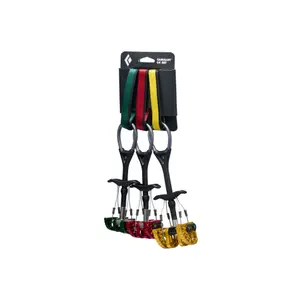


The mountain adds cold, snow, and steepness to the trail, and every terrain requires its own gear. This page focused on altitude brings together gloves, snowshoes, chalk, and climbing shoes.
Choose the sub-page according to your terrain: snow, rock, or cold.
From summer trails to winter routes
As soon as the snow settles, a hike changes its nature: you move more slowly, stop less, and get cold quickly. The gear on this page addresses these challenges: keeping your hands warm, floating on the snow, climbing on rock without slipping.
Gloves, from walking to altitude
A thin glove is suitable for cool outings where you need dexterity. A warmer, waterproof glove is essential in the snow. Hands lose heat quickly: pack a spare pair in the bag. Find all the models in gloves.
Snowshoes: floating instead of sinking
A snowshoe distributes weight over a large surface, which prevents you from sinking up to your knees. The spikes under the frame grip the slope. The models of snowshoes adjust to the shoe and come with poles.
Climbing: shoes and chalk
The shoe fits tightly to feel the hold: it should be snug, never painful. Chalk dries the palm and improves grip while climbing. Both families are separate: climbing shoes and chalk.
The mountain brands available
On this page, you can find TSL, Black Diamond, Bauerfeind, and Tripoint. Depending on the models, they offer sticks, snowshoes, protective gear, or small equipment: check the indicated use on each sheet.
Going beyond the mountain
Before you leave, check the hiking gear and the women's clothing or men's clothing suitable for the cold. The best deals are on gear deals and hiking clearance.
Preparing for a high-altitude outing
Check the weather the day before and the morning of your departure: at altitude, a clear sky can cloud over in a few hours. Always pack a warm layer, spare gloves, and a headlamp, even for a day trip. In the snow, walk at a pace that allows you to talk: it's the best sign you're not overdoing it. Drink regularly, as the cold masks thirst. Inform someone of your route and follow local safety guidelines, especially when the snow is fresh.
dressing and equipping for dry cold
In winter, the setup works as a system: breathable base layer, warm layer, protective jacket, then gloves, hat, and neck gaiter. Each piece compensates for the weakness of the previous one, and the outing remains enjoyable even when the wind picks up. Sunglasses or a mask are essential in the snow, where light can quickly tire the eyes. A thermos of hot drink also makes a real difference at break time. Store wet items in a bag to keep the rest of your gear dry.
Frequently asked questions
What gloves for winter hiking?
Warm, water-repellent gloves with a gripping palm. A thin under glove underneath helps keep a layer if you need to handle a map or phone.
Do you need poles with snowshoes?
They help with balance and pushing, especially uphill and in deep snow. Choose poles with large baskets.
How to choose the size of climbing shoes?
The shoe should fit snugly without squashing your toes. Try it on with thin socks or with no socks at all, and keep in mind that it will stretch a bit with use.
What is chalk used for?
It absorbs sweat from the palm and improves grip on rock or resin. It is carried in a chalk bag attached to the belt.
Can you snowshoe without experience?
Yes, on a marked route and without exposed slopes. On unfamiliar terrain, check for avalanche risks and go with someone else.