Men's hiking jackets and fleeces

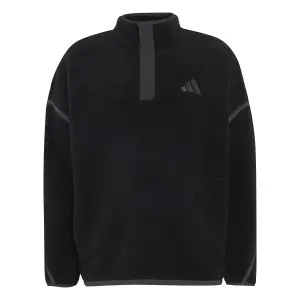


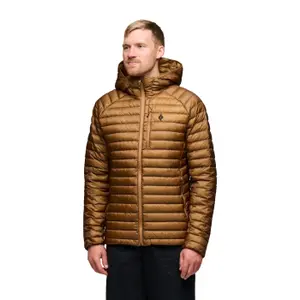


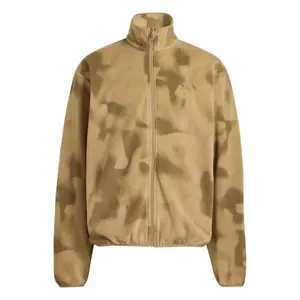
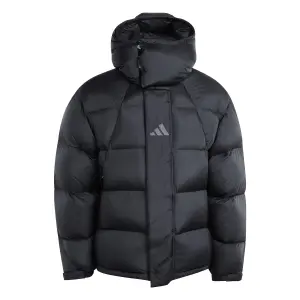


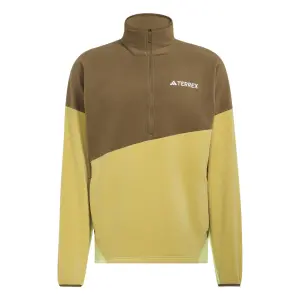


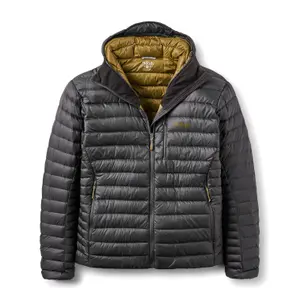
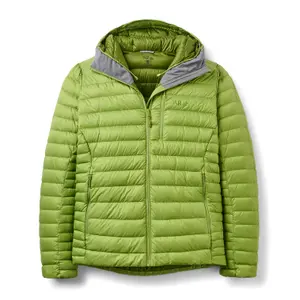


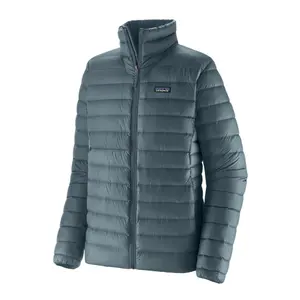
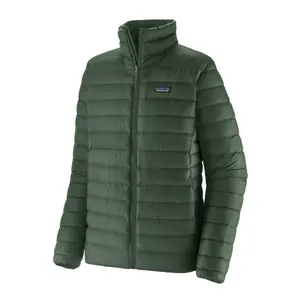
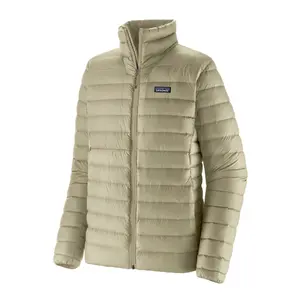
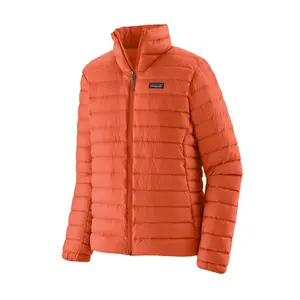


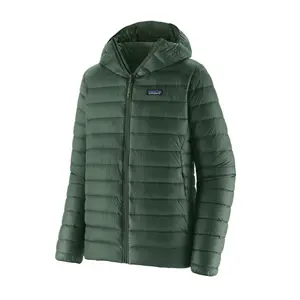
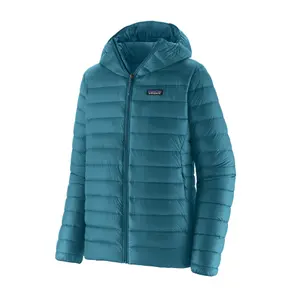


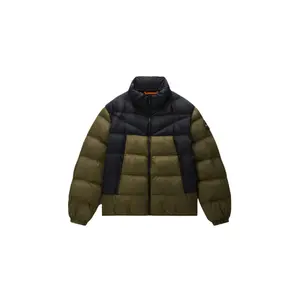


At the summit break, the body cools down in just a few minutes, and that's when men's down jackets and fleece layers come into play. The fleece supports you when it's cool, while the down jacket keeps you warm when you stop or when the temperature drops.
Filter by type, cut, and size to find the mid-layer you need.
Fleece or down jacket: two ways to stay warm
The fleece and the down jacket are both insulation layers, but they serve different purposes. The fleece breathes well, dries quickly, and stays warm even when slightly damp: it is worn while walking, under a jacket, or alone in dry weather.
The down jacket offers more warmth for a very light weight and bulk once compressed. It breathes less: it's mainly used when stationary, at the hut, camping, or during cold descents.
Down or synthetic: how the filling makes a difference
Natural down is the warmest insulation for its weight and compresses very well into the bag. Its weak point is moisture: when wet, it loses a lot of its loft, which is why a rain jacket over it is beneficial.
Synthetic fills are a bit heavier and bulkier, but they retain warmth better when damp and dry faster. They are well-suited for humid climates and trekkers who sweat a lot.
Full zip, half zip or sleeveless: choosing the fit
A full zip fleece opens wide for ventilation and slips easily over a t-shirt. The half zip, lighter, is worn like a pullover and allows less cold air in.
Sleeveless models keep the torso warm while freeing up the arms, useful under a jacket or during quick walks. A hood, sometimes removable, adds a real benefit in cold winds when you don't want to put on a hat.
From technical fleece to compressible down jacket
Patagonia offers fleeces designed for performance, like the R1 Air, with an airy structure that lets excess heat escape. adidas, with its Terrex line, features lightweight fleeces and down jackets with hoods for hiking. Rab, a brand founded in Sheffield by climber Rab Carrington, is known for its down jackets, including the Microlight, which packs down into a small bulk.
CMP, an Italian outdoor brand, offers a wide range of zip fleeces and budget-friendly down jackets. Regatta, a British family brand, complements with easy-to-wear fleeces and padded jackets.
Where to place this layer in your outfit
The insulating layer fits between a hiking t-shirt and a jacket from the page windbreakers and jackets. For warmer days or evenings at the hut, a model from the page sweatshirts may be enough. Find the entire outfit on the page men's hiking clothing.
Insulation on sale: where to look
Down jackets and fleeces are the stars of late season, and often discounts come at this time. The Black Friday hiking occurs just before winter; throughout the year, the men's clothing deals and hiking clearance feature reduced prices and end of lines.
Frequently asked questions
Down jacket or fleece for autumn hiking?
The fleece is best for walking: it breathes and handles effort. Keep a light down jacket in the bag for breaks and the summit, where you can get cold quickly.
Can you hike with a down jacket on your back?
In very cold weather and at a leisurely pace, yes. But on an uphill, you can start to sweat underneath, and the moisture reduces its effectiveness. It's better to take it off before starting to heat up and put it back on once you stop.
Does a down jacket fear the rain?
Yes, wet down loses much of its insulating power. Some downs receive a hydrophobic treatment that better protects them from moisture. In the rain, wear a waterproof jacket over it, or choose a synthetic filling.
How to wash a fleece without it pilling?
Inside out, zip closed, on a delicate cycle at a low temperature and without fabric softener. Avoid the tumble dryer at high temperatures: air drying will preserve the fluffiness of the fiber.
Does a sleeveless down jacket help in hiking?
Yes, as an extra layer: it keeps the torso warm without hindering arm movement while using trekking poles. It can be worn under a jacket in cold weather or alone in dry, cool conditions.