
Windbreakers and men's hiking jackets


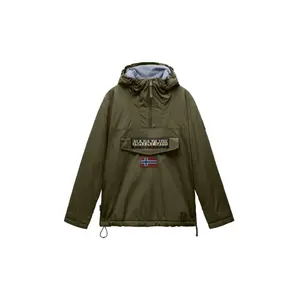

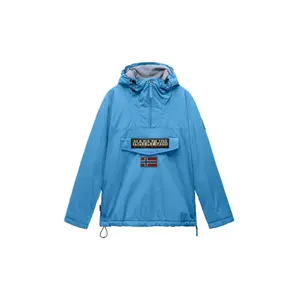


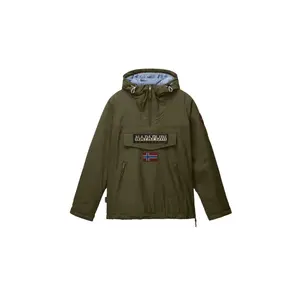
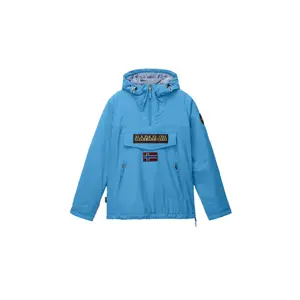


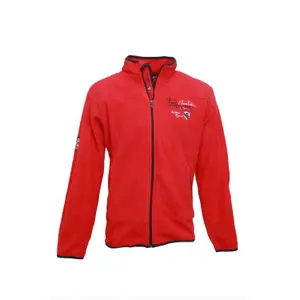


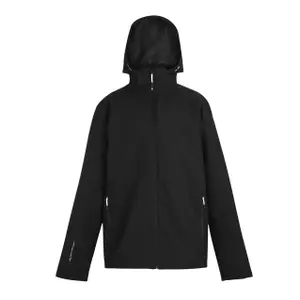


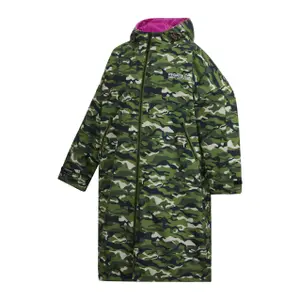


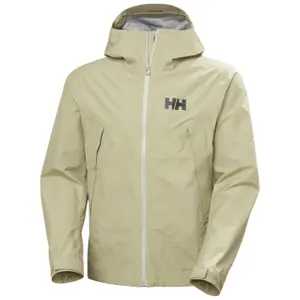
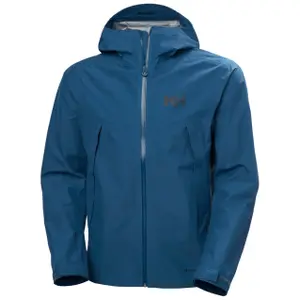


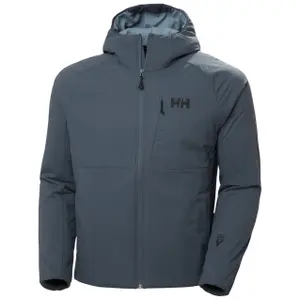


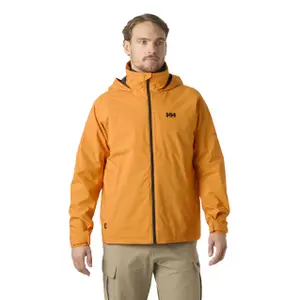
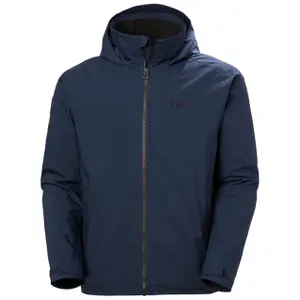
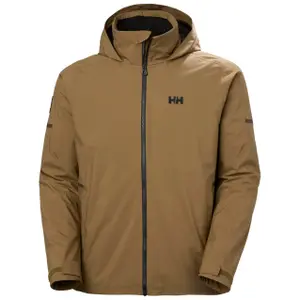

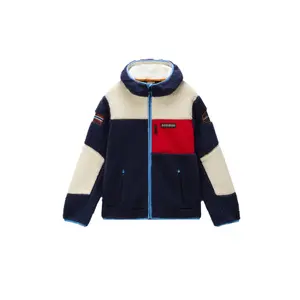
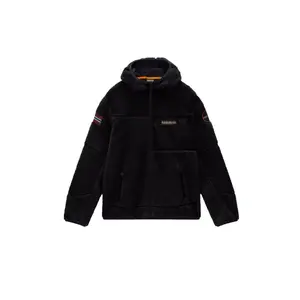
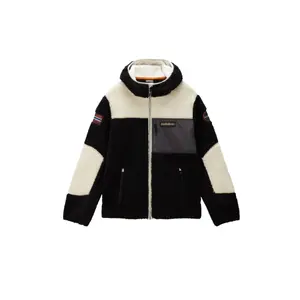
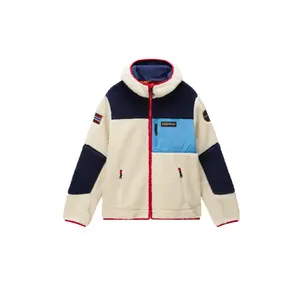


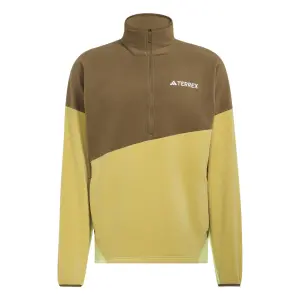
Dry gusts on a ridge or drizzle lasting all afternoon: a windbreaker and a men's hiking jacket don't address the same issue. This page brings together both, from a windbreaker that fits in a pocket to a hooded waterproof jacket, including softshells.
Start with the weather you encounter most often, then filter by type and size.
Windbreaker or waterproof jacket: two different protections
The windbreaker stops the wind and light showers, but not a lasting rain. Lightweight and very breathable, you can keep it on during activity and pack it away in the bag as soon as the sun comes back.
The waterproof jacket, it, keeps you dry in proper rain thanks to a membrane or coating and sealed seams. It breathes less than a windbreaker: you put it on when the skies turn bad and open the ventilation zips during climbs.
Reading a label: water column, breathability, seams
Waterproofness is measured by the water column, also known as the Schmerber index: the higher the number, the better the jacket withstands heavy and prolonged rain. Breathability indicates the ability to let sweat vapour escape.
Be careful with the terminology: a water-repellent fabric beads water, but it's not enough under a prolonged downpour. Also check the seams, which should be sealed on a rain jacket, and the hood, which should be adjustable to follow head movements.
Softshell, hardshell, insulated jacket: the right model for the outing
The softshell, flexible and stretchy, protects against wind and light rain while remaining comfortable to wear for long periods: it's the jacket for cool, dry days. The hardshell is a waterproof pure shell, without insulation, designed for rain and the mountains.
Insulated jackets and parkas add padding: warmer, they are mainly used in winter or for less intense outings. On an active hike, prefer a lightweight shell worn over a fleece, which is easier to adjust.
Rain jackets and softshells: who offers what
Patagonia is known for its Torrentshell, a lightweight and no-frills rain jacket that can be tucked into the bag. Regatta, a British family brand, offers many waterproof jackets with hoods for walking. CMP, an Italian brand, provides softshells and hooded hiking jackets at accessible prices.
Dare 2B, from the same group as Regatta, focuses on sportier cuts. Pro-X Elements, a German brand, specializes in protective clothing against rain and wind. adidas rounds it off with its Terrex line and Multi hiking jackets.
What to wear underneath
A jacket only works well with good layers underneath. Under a waterproof shell, slide on a technical t-shirt and, if it's chilly, a piece from down jackets and fleeces. For the bottom half, trousers and overtrousers complete the protection against rain, while accessories cover your head and hands. The rest is on the men's clothing page.
A good jacket without breaking the bank
The jacket is often the most expensive item in your outfit, so it's the one that benefits the most from waiting for a discount. The Black Friday men's clothing comes first, followed by the men's clothing sales after the holidays. For the rest of the year, keep an eye on the special offers for hiking and the men's clothing clearance.
Frequently asked questions
How to know if a jacket is really waterproof?
Check three things on the label: the mention of waterproof and not just water-repellent, a specified water column, and sealed seams. Without these three elements, the jacket will protect you from a shower but not from an entire day in the rain.
What size jacket should I take to wear a fleece underneath?
Take your usual size if the brand states a comfortable fit, and check the chest measurement in the guide by adding the thickness of your fleece. Raise your arms: the bottom of the jacket shouldn't ride above your waist, or else the wind will get in.
How to care for a membrane jacket?
Wash it regularly with a detergent for technical textiles, without fabric softener, as dirt and sweat clog the pores of the membrane. When the water no longer beads, a water-repellent treatment, followed by gentle drying if the label allows, will restore the fabric's effectiveness.
Is a windbreaker enough in the mountains in summer?
For a short outing in stable nice weather, often yes. But summer storms can develop quickly at altitude: as soon as the outing extends, also pack a waterproof jacket in the bag.
Is a three-in-one jacket a good idea for hiking?
It combines a waterproof shell and a detachable warm jacket, which makes purchasing easier. It's practical for versatile use, but a bit less flexible than a separate jacket and fleece that you can combine as you wish.





