Men's hiking accessories


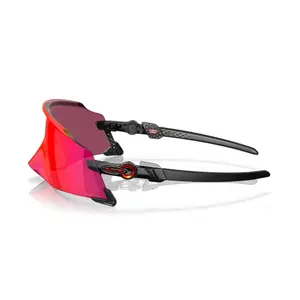
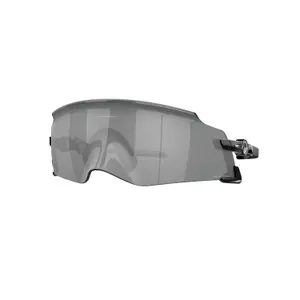
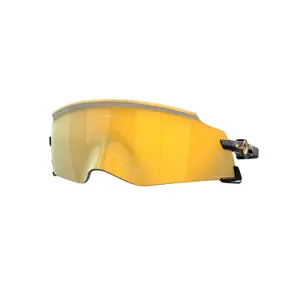
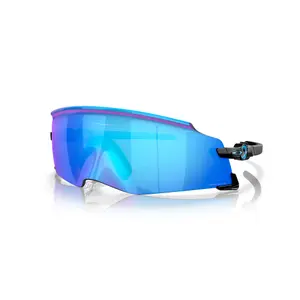


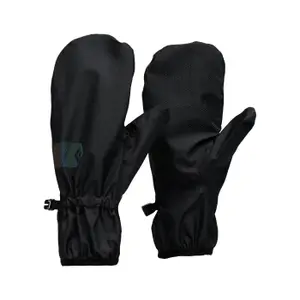


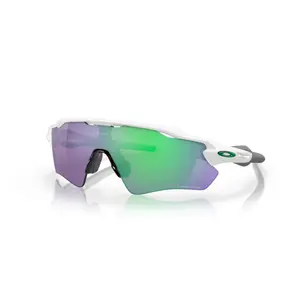
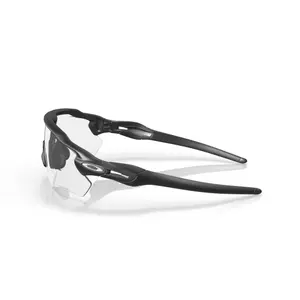
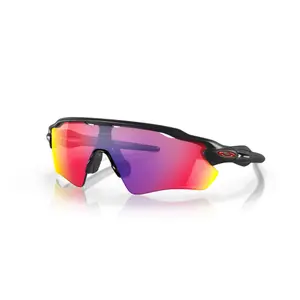
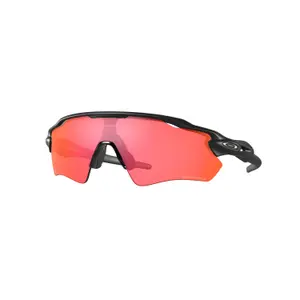
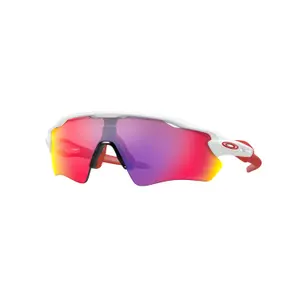
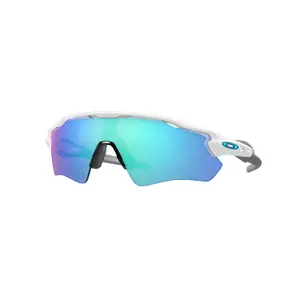
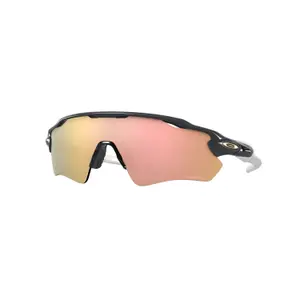
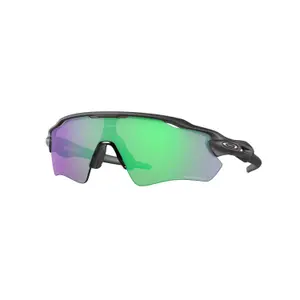
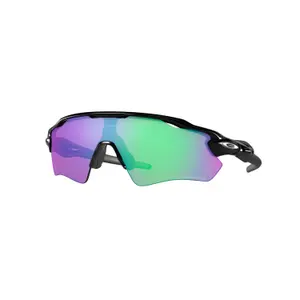
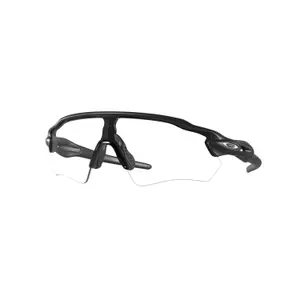
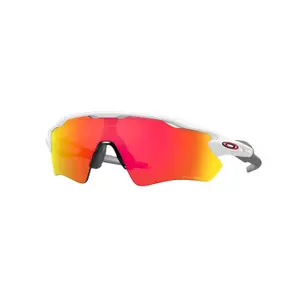
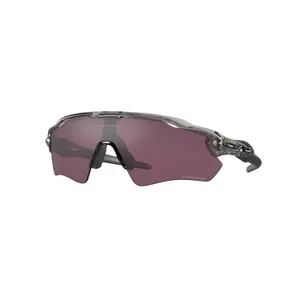
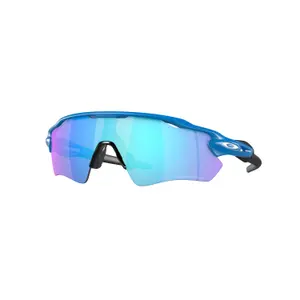
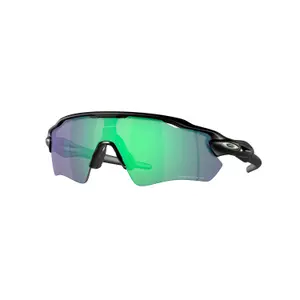
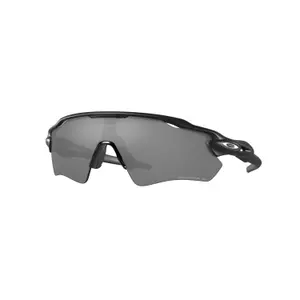
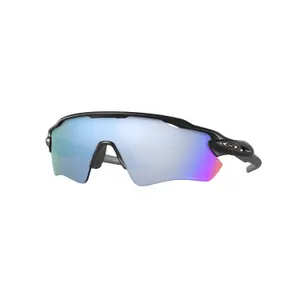
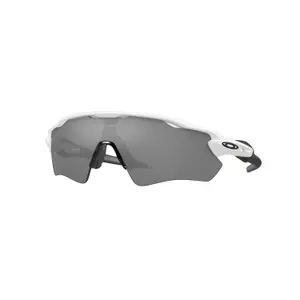
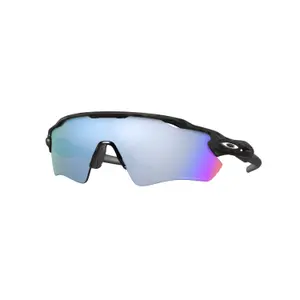
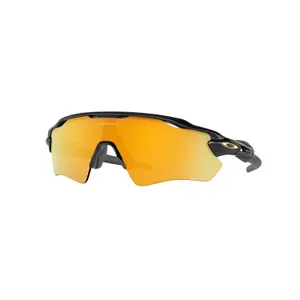
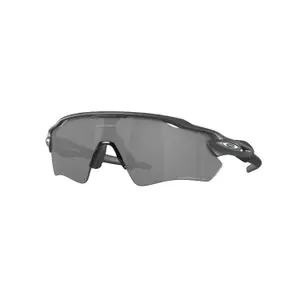
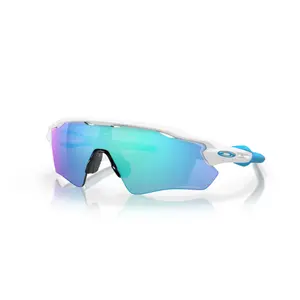
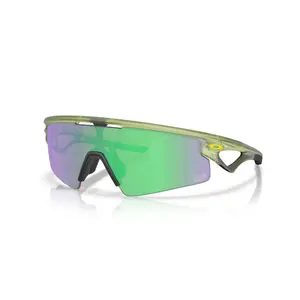
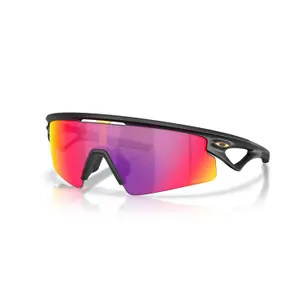
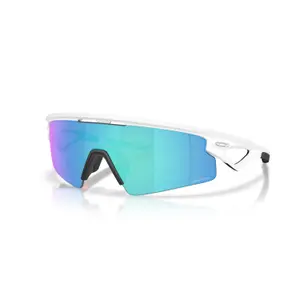
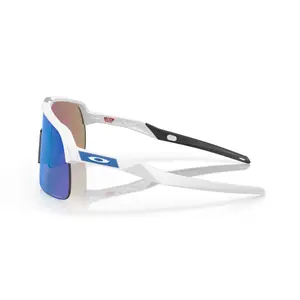
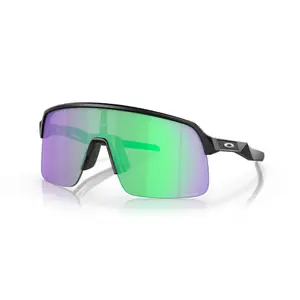
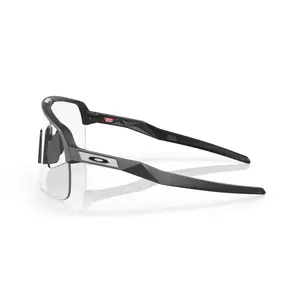
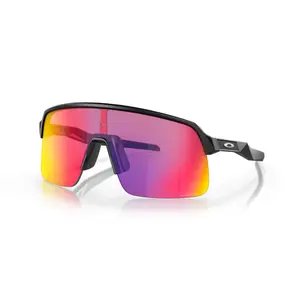
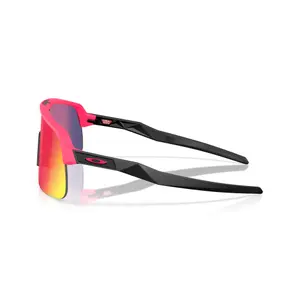
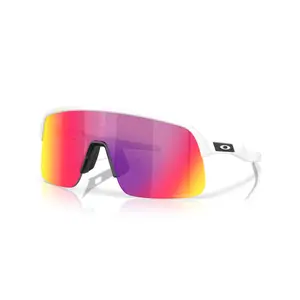


At the pass, the sun reflects off the rock and the wind freezes your ears in just a few minutes: this is where men's hiking accessories make a difference. Sunglasses, beanies, neck gaiters, gloves, caps, and hats protect the parts of the body that no jacket covers.
Filter by type of accessory, then by brand or by colour.
Head, eyes, hands: what accessories cover
Accessories protect the extremities, which are the first to suffer from the sun and the cold. The head quickly loses heat, hands get numb on the poles, and the eyes tire under bright light, especially at altitude.
They are also the lightest items in the bag. A beanie, a neck gaiter and a pair of gloves fit in a side pocket and change a windy end of day.
Sun glasses: check the category before the design
The first criterion for a pair of hiking glasses is the lens category, which indicates the amount of light filtered. Category 3 is suitable for most sunny outings; category 4 is for high mountains and glaciers, and should not be worn while driving.
A photochromic lens lightens in the shade and darkens in the sun, handy when transitioning from forest to pasture. A polarizing lens cuts glare on water, snow or wet rock. Finally, check the coverage: a wraparound frame offers better protection from light coming in from the sides.
Cold and wind: beanie, neck gaiter, gloves
Against the cold, the trio of beanie, neck gaiter and gloves handles most situations. The neck gaiter can be pulled up over the nose in strong wind, worn as a headband when it's mild, and tucked under a helmet if needed.
For hands, thin gloves are enough in mid-season, while mittens keep warmth better in freezing temperatures, at the cost of less dexterity. Some cold-sensitive walkers opt for heated gloves, with a built-in battery, for winter outings.
From alpine eyewear makers to hiking specialists
AZR is a French family business based in the Drôme, which designs sports glasses for cycling, climbing and outdoor activities, featuring several models with photochromic lenses. Élémenterre, a hiking brand, complements the range with UV-protective caps and simple, sturdy accessories.
CMP, an Italian outdoor brand, offers matching beanies, gloves and headbands to go with its jackets. Salice, an eyewear maker from the shores of Lake Como that still produces in Italy, has been making sports sunglasses for several generations.
The rest of the walker’s wardrobe
Accessories make perfect sense with the rest of the outfit. A windbreaker with a hood complements the beanie in bad weather, and down jackets and fleeces keep the torso warm during breaks. For the feet, head for hiking socks. The entire men's outfit is available on the men's clothing page.
Affordable accessories
Accessories are perfect for completing an order on a tight budget. Current discounts on men's clothing can be found in the special offers for men's clothing, and end-of-line items are in the men's clothing clearance. During the year-end sale, also check out the Black Friday men's clothing.
Frequently asked questions
What category of glasses should I choose for mountain hiking?
Category 3 is sufficient for standard hiking, even in summer. Beyond that, on glaciers or snow, switch to category 4, keeping in mind that they are banned for driving. A photochromic lens that covers both uses avoids the need to swap pairs.
Do I need polarizing glasses for hiking?
It's not necessary, but it's a real comfort near lakes, torrents or on snow, as polarizing lenses eliminate dazzling reflections. On icy terrain, some prefer to do without them to better spot shiny patches.
Neck gaiter or scarf: what should I take hiking?
The neck gaiter almost always wins: lighter, without flapping ends, it can be worn in several ways and dries quickly. The scarf remains pleasant for stops at cabins or relaxed outings in cold weather.
How do I choose the size of my gloves?
Measure around your hand at the knuckles, excluding the thumb, and compare it to the brand's guide. A glove that is too tight cuts off circulation and cools the fingers: if in doubt, opt for the bigger size, especially if you wear liners underneath.
Is a cap enough against the sun in summer?
It protects the forehead and eyes, but leaves the neck and ears exposed. On a long outing in full sun, a wide-brimmed hat or a cap with a neck protector is safer.